“午餐啊,现在人们满脑子想的就只有午餐了。”
“ Lunch ja, det är det enda folk tänker på nuförtiden.”
“Lunch, huh? That’s the only thing people think about these days.”
⸺《一个叫欧维的男人决定去死》/ En man som heter Ove (A Man Called Ove)
10 questions to interview girls for his brother from Simple Simon (I rymden finns inga känslor):
Romantic comedies or sci-fi?
Dogs or cats?
Do you make noise during sex?
Can you do dishes, yes or no?
Train or bus?
Ketchup or mustard?
Do you like Simon?
Sports: yes or no?
Licorice or fruit-flavored candy?
Can you see yourself dating someone who is scientifically perfect for you?
My answer: Already answered some in a subtle or direct way in Part I, will continue answer them with the rest of Uppsala Unison content, let’s see if my readers are smart enough to get all my answers.
You are also welcome to share your answers with me by subscribing to my blog, or simply write an email or message me instead. :D
自高中时我就是以日后能成为独立的职业女性为人生发展目标的,在学校的自由着装日上也会选择穿白衬衫配职业套装出现在校园里,结果回国工作后却发现不论自己的能力与学习意愿,只要被同一单位的哪个男的盯上后,是很难在整体环境都极其有毒的国内职场作为独立女性独善其身的。入职的第一份工作就在面试的时候被骗进公司的,面试快结束时问该公司有没有生产产线对方说有,实际上化学物理实验室按安全标准该配置的水池都没有一个,拆解会释放有毒气体的产品的时候也只会在商务区找块空地,完全没有任何防护措施,回想当时自己还被安排站在下风口。管理层利用职务之便不按能力水平而是按自己的个人喜好招员工,当然二十几岁的年轻人也没他们想象的那么天真,包括我在内的人大概也都能看出来他们想的什么心思,有刚入职不久的女生就让家里的亲戚朋友送花来公司的,男上司见了当场表情就变得不太好。刚入职的时候没给我安排什么工作做让我看看存在电脑里的文件,熟悉一下公司的业务和人员。结果好巧不巧还没看几页就发现男上司的爸妈还是公司的2号和3号员工,因为光看照片就知道这两个人的面相绝对不是什么知识分子或者企业家一样的角色,连中产阶级都勉强,就问旁边打杂的女同事问他爸妈在公司做什么,结果她不耐烦口气还有些冲地回答说:“保洁!”现在回想自己认识且愿意接触相处的一些男生和那个离异且到三十几岁还到处沾花惹草的男上司比,怎样都是全方面碾压,长得比他帅的还比他有钱,家里比他有钱的脾气还比他好,脾气比他好的还比他还会烧饭做家务,比他会烧饭做家务的工作能力也比他强,比他工作能力强的还比他谦虚,比他谦虚的会说的语言种类还比他多,比他会说的语言种类多的还比他专一感情史简单干净,而且大家全都比他年轻理智比他有绅士风度,有自知之明,也都没有脑子一热就和不适合自己的对象以“直到死亡将我们分开”的誓词结婚并再离婚,也不是有法律文件可以被反复证明的磨损严重的二手货,据当时在单位的同事说他快30岁和他的前妻离婚时闹得也十分难看,只因为对方想要留在美国发展而他不愿意,就连被子床单这类费用账都和对方细算得相当清楚,给人感觉十分小心眼且斤斤计较,相较之下还没我未满20岁时处理事情的心态成熟。记得在我离职前他终于以公司的名义购入到了一辆小型面包车,还将此作为值得炫耀的成就在公司到处拿出来说,我当时听了也是没什么反应也不想作任何评价。毕竟,他引以为傲的那辆小面包车,不过是我爸车库收藏中的又一辆车而已,甚至早在几年前就因为不受用而被卖掉了。就算看我一个女生自己的条件也是家境比他好,起点比他高太多,长得比他好看不少,而且还从未交过男友,完全配不上我。但对方却一心癞蛤蟆想吃天鹅肉,在生活工作中养鱼不少女生,还在我找借口离职后后还恼羞成怒企图彻底毁了我的职业前途,还记得他在公司一次周行例会上分享他在美国念书时,第一次开小组例会分享自己的成果时就收到导师评价说:“我相信在座的能考进来或者在这里工作都是非常聪明的人,但在场所有的聪明人包括我在内都没人能看懂你的汇报,你自己回去想想为什么。”好像还想以此作为自己underdog的故事来显示自己的谦逊,激励在座的员工,还把自己比作电影里在医院当清洁工后被管理层一双慧眼发现的非裔底层市民。结果大三第一学期,因为要完成课程作业去采访系主任,因为从小自东亚社会的规训,以及家庭教育被要求凡是要谦逊,吃过什么苦自己心理清楚就好不要动不动就拿出来说,当时听说我已经完成一项暑期实习而被评价“远超大部分同龄人”的我,在例会上听了他的分享,只是觉得本就令我倍感反感的对方,显得更加渺小以及令我感到不屑了,而且认为从中国的精英院校一路念书去美国的他是和当地蓝领居民没有任何可比性的,这类比喻也十分傲慢。因为公司的合伙人是在上一家公司搞办公室政治失败认识的,所以当时公司但凡有哪两个员工走得比较近,就会立即被他们拆开分到不同的项目上去,生怕和他们一样复制别人的生意模式然后离职自己创业。积了一年多的烂账压在电脑里没算,我花了三个月的时间(主要用在了反复多次和女上司要我电脑里没有权限的收据的订单上)理清算好了之后,女上司头也不抬说了一句这么久啊,前一年的帐我一天就算完了。
我:……………………………前年那账就几行你也好意思说,去年一天的账就是前年一年的量你怎么不说?
Ever since high school, my goal in life had been to become an independent professional woman. Even on the school's free dress days, I would sometimes show up on campus wearing a white shirt and a business suit. Yet after returning to China to work, I discovered that regardless of my abilities or willingness to learn, once some man in the same workplace set his sights on me, it was extremely difficult to maintain my independence in China's profoundly toxic work environment.
I was deceived into joining my very first employer during the interview process. Toward the end of the interview, I asked whether the company had a production or assembly line, and they said it did. In reality, the chemical and physical testing laboratory didn't even have a single sink that should have been installed to meet basic safety standards. When disassembling products that could release toxic gases, employees would simply find an empty spot in the commercial office area and take them apart there, without any protective equipment whatsoever. Looking back, I even remember being positioned downwind direction while this was happening.
The management team abused its authority by hiring employees according to personal preferences or even dating interests rather than competence. Of course, people in their twenties weren't nearly as naive as these managers imagined. Most of us, myself included, could probably see exactly what they were up to. One young woman who had only recently joined the company even arranged for relatives or friends to send flowers with signed cards to the office. When our male supervisor saw them, his expression immediately soured.
When I first joined the company, I wasn't assigned much actual work. Instead, I was told to look through the files stored on the computer to familiarize myself with the business and its employees. By sheer coincidence, I hadn't even read more than a few pages before discovering that the male supervisor's parents were the company's second and third employees.
Just from looking at their photographs, I could tell that neither of them looked remotely like a scholar or an entrepreneur. They barely even gave the impression of being middle-class. So I turned to a female colleague who handled various administrative odds and ends and asked what his parents did at the company. She answered impatiently, with a rather sharp tone: “Janitor!”
Looking back now, when I compare that supervisor—a divorced man in his thirties who was still flirting with women everywhere he went—with the men I've known and willingly chosen to spend time with, the difference is almost comical. The men I know are better than him across the board. Some are prettier and wealthier; others come from richer families and have better tempers. Those with better tempers are also better at cooking and more capable of handling household chores. Those who are better at cooking and housework are also more competent professionally. Those who outperform him at work are more humble, and those who are more humble speak even more languages than he does. And the men who speak more languages than he does also have more stable, uncomplicated romantic histories and are more faithful in relationships.
On top of all that, every single one of them is younger, more levelheaded, more gentlemanly, and more self-aware than he is. None of them impulsively married an unsuitable partner with vows of “until death do us part,” only to get divorced later. Nor are they secondhand goods so thoroughly worn down that the evidence can be repeatedly confirmed by legal documents.
According to colleagues who worked with him at the time, his divorce from his ex-wife, when he was approaching thirty, was particularly ugly. She wanted to stay in the United States and build her career there, while he did not. The dispute became so petty that they meticulously itemized expenses down to the bedding and bedsheets. He came across as incredibly small-minded and miserly. By comparison, he seemed less mature in his approach to conflict than I had been before even turning twenty.
I remember that shortly before I left the company, he finally managed to get the company to purchase a small minivan. He treated this as a major achievement worth boasting about and went around the office telling everyone about it. When I heard the news, I barely reacted and had absolutely no desire to comment. Because after all, the small minivan he took so much pride of is just another vehicle in my dad’s collections, even get unfavored and sold couple years ago.
Even judged by the standards of a woman like me, he was nowhere near my level. My family background was better, my starting point in life was incomparably more advantageous, I was considerably better-looking, and I had never even had a boyfriend before. He simply wasn't good enough for me.
Yet he was determined to punch above his weight, like a toad dreaming of eating swan meat. He was keeping multiple women on the hook in both his personal and professional life, and after I finally found an excuse to resign, he became so enraged that he tried to destroy my career prospects altogether.
I still remember one weekly company meeting when he shared a story from his time studying in the United States. He said that at his first group meeting, when he presented his research results, his supervisor had responded with something along the lines of: “I believe everyone here is a very smart person, whether they were admitted to this institution or work here. But not a single smart person in this room, myself included, can understand your presentation. Go back and think about why that is.”
He seemed to want to turn this into an underdog story about himself, using it to demonstrate his humility and inspire the employees in the room. He even compared himself to a blue collared African American in a movie who had been working as a hospital janitor until management recognized his hidden talent with a discerning eye and let him become a surgeon.
During the first semester of my junior year, I had to interview the department dean for a course assignment. Having grown up under the social conditioning of East Asian society and a family education that emphasized humility, I'd always been taught to keep my hardships to myself rather than constantly bringing them up for others to hear. If you'd endured difficulties, you were supposed to know that for yourself and leave it at that.
By then, I'd already completed a summer internship and had been told by the dean himself during the interview that my experience put me well ahead of most people my age. So when I listened to his story at that company meeting, I already found him deeply off-putting. His little performance only made him seem even more insignificant and contemptible in my eyes.
I also thought the comparison was incredibly arrogant. Someone who had been educated at elite institutions in China before going on to study in the United States had absolutely nothing in common with a local blue-collar worker in terms of background or opportunities. To compare himself to someone in such a fundamentally different position was, in my view, an exercise in self-aggrandizement disguised as humility.
The company's partner had met the other managers after failing at office politics at his previous employer. As a result, whenever two employees at our company seemed to be getting along particularly well, management would immediately separate them and assign them to different projects. They were terrified that we might imitate their business model, leave the company, and start our own ventures, just as they had done themselves.
Meanwhile, more than a year's worth of unprocessed accounts had been piling up on the computer. It took me three months to sort everything out and reconcile the books. Most of that time was spent repeatedly asking my female supervisor for invoice and order records that I didn't have permission to access on my own.
When I finally finished, she didn't even look up. She simply remarked, “That took you a long time. I finished the previous year's accounts in just one day.”
Me: “…………………………… The year before that, the accounts were only a few lines long, and you have the nerve to brag about finishing them in a day? Last year's accounts for a single day contained as much work as the entire previous year, and somehow you forgot to mention that?”
在乌普萨拉的一次下午和在Gotland Nation认识的芬兰裔小男生提前约好了去咖啡店吃晚饭点心顺便练瑞典语,回程的路上他提出说因为他工作表现出色所以任职公司的老板把单位的小货车奖励给他开,还一脸得意地告诉我说“其他比我工作时间长的都没有这个待遇哦!他们还挺嫉妒我的。”我听了也是发自内心地为他感到高兴,后来他提出要开车送我回家的时候我也真诚地称赞说车真不错诶!
One afternoon in Uppsala, I met up with a Finnish-Swedish kid I knew from Gotland Nation. We'd arranged in advance to go to a café for some pastries and dinner and practice my Swedish. On the way back, he told me that because of his outstanding performance at work, his boss had rewarded him by letting him drive the company's minivan, even during off work hours. He looked rather pleased with himself as he added, “None of the people who've been working there longer than me get this privilege! They're actually pretty jealous!”
I was genuinely happy for him. Later, when he offered to drive me home, I sincerely complimented him on the vehicle, too: “Wow, that's a really nice van!”
之前搬家的时候芬兰小孩也从加油站租了车帮我把几大纸箱的东西零碎从朋友的住处搬去我的新公寓,坐在副驾和他闲聊的时候突然想起《哈利波特与密室》开篇J.K. 罗琳写给朋友的致辞,“For Seán P. F. Harris, getaway driver and foul-weather friend.” 自己在大学的时候也经常幻想能有这样一位在自己遭遇情绪生活不顺的时候能开车带我出去兜风散心的朋友,只可惜多数情况下是认识的中国学生想要去中国超市顺便吃饭均摊费用时才会想起我,每次随程我都要带上社交面具,绞尽脑汁按对方的兴趣和爱好找话题聊天,多数时候去完超市后还要回到我的公寓吃一个星期左右才能味道散尽的火锅,等她们走后我连收拾碗筷锅具的力气都没有,只是觉得被社交完全消耗尽了能量。只不过和芬兰小孩相处的时候多是开心随意的,几乎不用戴面具,对方也是很真诚友善地出于想要帮助朋友的目的来开车帮我搬家。
When I was moving to my new apartment, the Finnish Swedish kid rented a car from a gas station and helped me transport several large cardboard boxes full of my belongings from a friend’s place to my new apartment. As I sat in the passenger seat chatting with him, I suddenly remembered the dedication J.K. Rowling wrote to her friend at the beginning of Harry Potter and the Chamber of Secrets: “For Seán P. F. Harris, getaway driver and foul-weather friend.”
Back in college, I often dreamed about having a friend like that—someone who could take me out for a drive whenever things weren’t going well in my emotional or personal life, just to chat a bit or help me clear my head. Unfortunately, most of the time, the Chinese students I knew only seemed to remember I existed when they wanted to visit a Chinese supermarket and split the cost of a meal afterward. Whenever I tagged along, I had to put on my social mask, racking my brain for conversation topics based on their interests and hobbies. More often than not, after the supermarket trip, they would come back to my apartment for hot pot, leaving behind a smell that took about a week to dissipate. By the time they left, I wouldn’t even have the energy to clear away the dishes and cookware. I just felt completely drained by the social interaction with them.
With the Finnish Swedish kid, though, spending time together was usually easy-going and enjoyable. I hardly ever had to wear a mask. He was also genuinely kind and friendly, and he had offered to help me move simply because he wanted to help out a friend.
感觉遇到的很多男的在接触初期就企图用一些物质上的东西来企图令我印象深刻,后来才了解到其实是他们从小生活条件不好,青少年时期又看多了那种有钱人身边美女如云的场景,产生偏见觉得只有钱才能吸引到异性的注意。但我的父母从小就没有在物质生活上亏待过我,而我自己心里也非常清楚,多数男的不可能比我父母富裕,比我父母富裕的也不可能对我比他们对我更好,所以也懒得对此类孔雀开屏式行为有任何反应,交朋友以及发展自己想要交往的对象全看眼缘,良心,和对方待人接物的态度罢了。
I've noticed that a lot of dudes I've encountered try to impress me with material possessions early on when we're getting to know each other. It was only later that I came to understand that many of them had grown up with limited financial means and, during their teenage years, had seen too many images of wealthy men surrounded by physically attractive women. As a result, they'd developed the preconceived notion that money was the only way to attract a woman's attention.
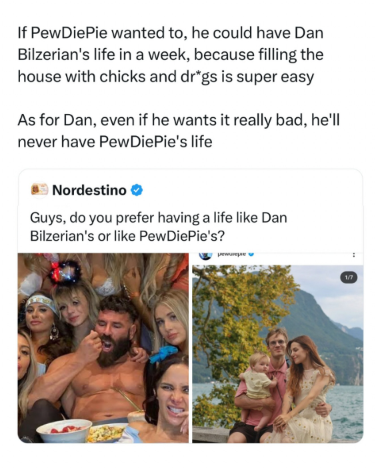
道理很简单,但很多男人要等到为时已晚才会明白。/ Simple yet many dudes will understand until it’s too late.
But my parents have never deprived me of material comforts while I was growing up, and I'm also perfectly aware that most men are unlikely to be wealthier than my parents. Those who are wealthier are unlikely to treat me any better than my parents already do. So I can't really be bothered to react to these peacocking displays of wealth.
When it comes to making friends, I go by whether we click, whether they have a conscience, and how they treat other people. That's all I care about in a man or potential suitable future partner.
因为我不是学会计专业出身的,所以一些财务上的问题还要自己上网搜索信息或者请教老员工,结果对方教的也是模棱两可,不把条件说明了,说给公司报销的内容可以用自己平时攒下来的收据代替,结果她这么做可以,到了我这里就变成了瞒报财务。后来工程上做项目的时候给负责人打电话也是三天两头找不到人,因为纯粹工作上的内容联系多了还要被无事生非的同事揣测是不是对对方有意思,被上司要求去跟一个项目上的工程师要实验室的钥匙,在办公室找不到他人就用电话联系,对方也是看到我打电话给他而直接按掉不接,也不知道是在发什么神经。
我:?
Since I didn't have a background in accounting, I had to look up financial procedures online or ask more experienced employees whenever I ran into accounting-related questions. Unfortunately, the guidance they gave me was often vague and ambiguous, with important conditions conveniently left unexplained. For example, I was told that receipts I'd saved from my personal expenses could be used as substitutes for receipts for expenses the company needed to reimburse. Apparently, that was perfectly acceptable when she did it, but when I followed the same advice, it suddenly became financial misreporting.
Later, when I was working on engineering projects, I could barely get hold of the people in charge. They were constantly unavailable whenever I called. And because I had to contact them frequently about purely work-related matters, some of my colleagues, who had nothing better to do than stir up trouble, even started speculating about whether I was romantically interested in them.
On another occasion, my supervisor asked me to get the laboratory key from an engineer working on one of our projects. When I couldn't find him in the office, I called him instead. He saw my incoming call and simply declined without answering. I had absolutely no idea what his problem was.
Me: ?
教东西也是极其不耐烦的,细节上的问题也是忽略不谈,多问几个问题还要被怼:这不是常识么?结果因为没有讲清做实验的流程犯了错误还要被反过来怪罪。后来才了解他才入职的时候也是什么都不会,什么都不懂,但是是有一位专业相关的博士带教了他两年他才熟练上手的。
我:哦~原来这些东西也都不是常识啊~
He was also incredibly impatient when it came to teaching others. He would gloss over important details and leave out crucial information. If I asked a few too many questions, he'd snap back with, “Isn't that just common sense?” Then, when I made a mistake because he hadn't properly explained the experimental procedure, he'd turn around and blame me for it.
Only later did I learn that when he first joined the company, he hadn't known how to do anything either. He'd been completely clueless, but he'd had a PhD employee in a related field mentor him for two years before he became proficient at the job.
Me: “Ohhh~ So I guess none of this was common sense after all~”
后来再在某科技公司的工厂里作为自己工作职责之一培训女技术员的时候把测试流程事无巨细地给她讲了,还列出了一些我觉得她可能会犯的错误,结果她刚进实验室不久就给我发消息,一看出的错就列在我给她的文件里。
我又两眼一黑,摆摆手说我走了,我去瑞典念书了,你去让那个男工程师教你好了,你们也就适合这种教学方式,一个被吼一个不会培训,天造地设的一双绝配,我这种会好好讲话想要认真学点技术的“文明人”根本就不适合在这里出现。
Later, when I was working at the factory of a technology company and training female technicians as part of my job responsibilities, I made a point of explaining the testing procedures to one of them in painstaking detail. I even listed several mistakes I thought she might make. Sure enough, not long after she entered the lab for the first time, she messaged me. When I checked what had gone wrong, the exact mistake was already on the list I'd given her.
I nearly blacked out from sheer exasperation all over again. I waved my hand and mentally checked out: I'm done. I'm going to Sweden to study. Why don't you just ask that male engineer to train you instead? The two of you are clearly suited to that particular teaching style: one person gets yelled at for her incompetence, and another who has no idea how to train anyone by being passive aggressive and yelling. A match made in heaven, a perfectly compatible pair.
Someone like me—a civilized person who speaks to others properly and actually wants to learn some technical skills—is clearly not meant to exist in a place like this.
就好像我吃午饭时吃得干干净净被女实习生阴阳怪气“Lettie你吃得好多”,和认识的人吃饭我吃饱就不再吃对方却受我行为的影响感到自卑而说“我是不是吃太多了别人会不会觉得我像猪啊”一样,有时候我发现把我自己从特定的一些情况中剔除,让这些人直接相处或者互动,他们当时的反应反而是合理的,就像在这两种情况下我都觉得对方莫名其妙一样,但是当你把我从这两种情况中剔除,就会发现,这两组对话相当顺畅,就像我完全不需要在他们生活中出现一样,他们的存在也只会给我添堵。
所以我打包行李直接来瑞典念书了,你们互相折磨吧拜拜!
It was a bit like the time I was eating lunch and finished everything on my plate like the male engineer who has the same workload that day, only for a female intern to make a passive-aggressive remark: “Lettie, you eat so much.” Or when I was having a meal with someone I knew, stopped eating once I was full, and the other person, apparently made self-conscious by my behaviour, started worrying aloud: “Am I eating too much? Will people think I'm a pig?”
Sometimes, I've realized that if I simply remove myself from certain situations and let these people interact directly with each other, their reactions actually make perfect sense. In both of these cases, I found the other person's behaviour utterly baffling. Yet when you take me out of the equation, the conversations between these people flow perfectly well, as though I never needed to be part of their lives in the first place and their presence in mine only ever seems to disturb my peace.
So I packed my bags and came straight to Sweden to study. You all can go ahead and make each other feel miserable about yourselves. Byebye!

F*cking bye!
才入职的时候这个“男工程师”大概是从公司其他人那详细八卦议论过我的家庭背景和留学经历,大概是觉得我家有钱且有利可图,第一次刚开始合作做项目时还没什么基础的接触和沟通,我连他名字长相都还没记住,他连自我介绍都没有结果上来就是一句:“我妈生病了在住院呢。”因为当时国内在推广接种新冠疫苗,推荐一个人去打奖励200人民币,还问我要不要去,旁敲侧击丝毫没有边界感地找刚刚才认识的我兜圈子借钱。
我:?
觉得个人边界感被严重冒犯到的同时也听说过不少女生因为类似的情况同情心泛滥让家人借钱出去就此被对方赖上的例子, 就此直接回绝了对方,还觉得奇怪,既然在这家公司工作这么久了而顶头上司又这么欣赏认可他他又这么能干还让他把公司当家他为什么不直接跟他那毫无血缘关系的老父亲要钱。
When I first joined the company, this male engineer had apparently already heard plenty of gossip about my family background and overseas education from other employees. I suspect he figured my family was wealthy and that there might be something to gain from getting close to me.
During our very first project together, before we'd had any meaningful interaction or even established the most basic rapport, I hadn't yet memorized his name or face. He hadn't even introduced himself, yet the first thing he said to me was, “My mom is sick and in the hospital.”
At the time, China was promoting COVID-19 vaccination, and people could receive a 200-yuan reward for referring someone to get vaccinated. He even asked whether I wanted to go. Meanwhile, he was dropping increasingly obvious hints, completely oblivious to personal boundaries, and trying to find roundabout ways to borrow money from someone he'd only just met.
Me: ?
I felt that my personal boundaries had been seriously violated. I'd also heard plenty of stories about girl who, out of misplaced sympathy in similar situations, even went out their way to persuade their families to lend money to someone, only to end up being scammed and pressured into marrying into the borrower's family. So I turned him down outright.
What I found particularly puzzling was this: if he'd been working at the company for so long, if his direct supervisor admired and valued him so much, and if he was supposedly so capable that he treated the company like his own home, why didn't he simply ask that male supervisor for the money?
上海富家女不少,笨蛋美女更多,记得看到一个新闻警察在街上例行检查执行公务,随机查到一个开豪车的,女生拎着铂金包从副驾下来的时候执勤警察问她知不知道开她车的男友是什么人,女孩子一脸困惑地理了理头发说“是我男友啊?”结果警察当场调记录出来发现她所谓的男友有犯罪时的同时还是个骗子,身份全是假的编出来骗她钱的,直到新闻结束镜头前这位白富美还是一脸难以置信,不情愿相信对她“很好”的男友是个混混骗子罢了。
There are plenty of wealthy young girls in Shanghai, and even more pretty girls who aren't exactly the brightest. I remember seeing a news story about police officers conducting routine checks on the street. They stopped a luxury car at random, and when a young girl carrying a Hermès Birkin bag stepped out of the passenger seat, one of the officers asked whether she knew who the man driving her car really was.

Subtitle translate: 包不错啊!谢谢,是我前夫哦!/ Nice handbag! Thank you. It’s my ex-husband!
以防有人不知道,Birkin 包是用什么材料做的。/ Just in case there's someone don't know what are Birkins made of.
Looking confused, she casually adjusted her hair and replied, “He's my boyfriend?”
The officer then pulled up his records on the spot and discovered that her so-called boyfriend had a criminal history and was also a con artist. His entire identity was fabricated, and he'd been using the fake persona to swindle her out of money.
Even by the end of the news report, the wealthy, attractive young girl still looked utterly disbelieving in front of the camera, seemingly unwilling to accept that the boyfriend who had treated her “so well” was nothing more than a petty criminal and a fraud.
大学回家过圣诞节假期的时候只是和家人说了航班信息,却不知道被谁扒了航班信息打电话给我妈让我去参加他们组织的聚会顺便相亲,气得我直接在家发脾气并删了对方的联系方式。其实和在国内念书时认识的一些人早就不再联系,只是其中一些人可能一直在社交媒体上看到我发的动态,一些同学的家长甚至会拿他们小孩的账号以成年人的视角窥视我在社媒上发的动态,并恶意揣测,进而会误以为我一直在他们生活中存在着,或者因为文化差异认为我在美国学了坏,现实生活中也毫无联系,其实多数时候我连他们长什么样都已经全然遗忘了,而他们平时也不和我互动聊天,只是在需要帮忙或者从美国代购东西的时候才会想到我,令我倍受困扰,而每次我也是直接拒绝。
When I went home for Christmas break during college, I had only shared my flight information with my family. Somehow, someone managed to dig up my flight details and call my mother, asking me to attend a gathering they were organizing, which would conveniently double as a matchmaking opportunity. I was so furious that I lost my temper at home and immediately deleted that person's contact information.
In reality, I'd already lost touch with some of the people I'd known back when I was studying in China. Yet some of them may have continued watching my social media updates all along. Some of their parents would even use their teenage children's accounts to scrutinize my posts from an older adult person's perspective, making malicious assumptions about my life. As a result, they seemed to believe I was still somehow a presence in their lives, or, because of cultural differences, assumed that I'd somehow gone astray after studying in the United States.
The truth is that we had absolutely no contact in real life. Most of the time, I could barely even remember what these people looked like anymore. They never reached out to chat or interact with me under normal circumstances; they only remembered I existed when they needed a favour or wanted me to buy something for them from the United States.
The whole situation was deeply frustrating, and every time it happened, I simply turned them down.
当时管理层对公司的员工哪怕是一些基本信息也是能瞒就瞒,一台在国内转了不知多少手的仪器骗英文不好的员工说是原厂订的飘洋过海邮来的公司,我知道是因为中英文双语的购入存单是我处理保管的,对客户也做不到诚实,还在报告里伪造数据发给客户,但对员工却要求在私人生活上都对他们做到完全毫无保留。入职一个月就想要离开,无奈前后找我谈话了几次,最终还是以我离职告终。
At the time, the management team was so secretive that they withheld even basic information about the company from its own employees whenever they could. They had a piece of equipment that had already changed hands an unknown number of times within China, yet they told employees who weren't proficient in English that it had been ordered directly from the original manufacturer overseas and shipped all the way to China. I knew this because I was responsible for processing and keeping the purchase records, which were documented in both Chinese and English.
They couldn't even be honest with their clients, going so far as to fabricate data in reports they sent out. Yet when it came to their employees' private lives, they expected complete transparency and absolutely no secrets.
I'd wanted to leave after just one month on the job. Unfortunately, management sat me down for several rounds of conversations in an attempt to persuade me to stay. In the end, though, I still left the company.
离职后打电话还打过上海政府的举报热线举报说他们经营不当,实验室也不符合标准存在安全隐患,结果被不擅长解决问题但相当擅长解决指出问题的人的中国人当挑事的,就此盯上我了,建议遣送去美国寻求政治避难。
After leaving the company, I even called Shanghai's government reporting hotline to report their improper business practices, the laboratory's failure to meet safety standards, and the potential hazards this posed. As a result, I was branded a troublemaker by people who weren't particularly good at solving problems but were exceptionally good at going after those who pointed them out. They had their sights set on me after that.
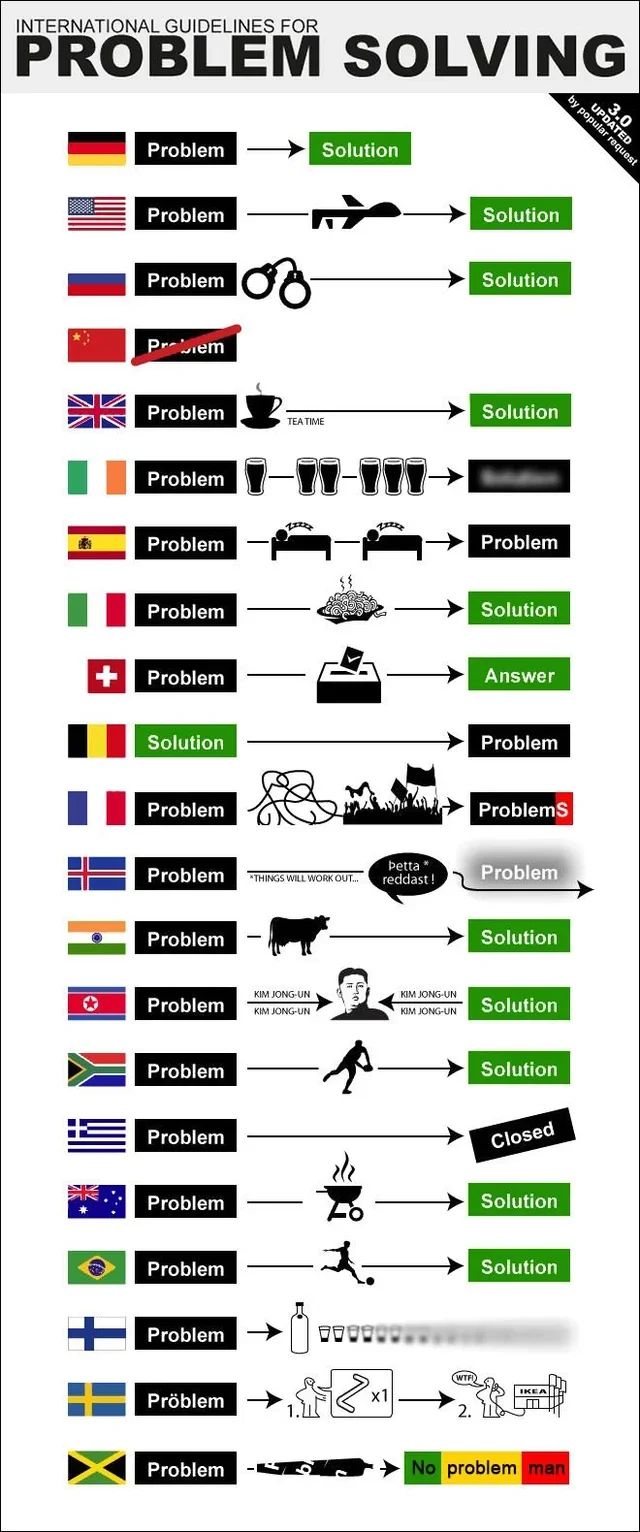
At this point, I'd recommend deporting me to the United States to seek political asylum yet again.
当然要说我在这家公司工作时完全没有犯过错误也不现实,只是和一些人认识的初期他们就把我奉上神坛,把我当从不犯错的圣人一样看待。但人非圣贤,孰能无过,拿圣人的标准去去要求别人却不给其相应的圣人待遇,也是滑稽荒谬。
Of course, it would be unrealistic to claim that I never made any mistakes while working at this company. The problem was that, early on in some of my relationships with people, they put me on a pedestal and treated me as if I were a saint who could do no wrong. But no one is a saint, and everyone makes mistakes. Holding others to the standards of a saint while refusing to treat them with the same reverence is both comical and absurd.
虽然说美国的学历背景在上海最为被看重,但是一些名校毕业但所学专业非常水的毕业生也被上海各公司的HR拉进了黑名单,但凡收到简历是来自该学校该项目的申请者,看都不看直接发拒信。后来也意识到美国一些院校开设一些项目仅仅是为了给学校创收,招进去的学生学术能力很差但好在家庭条件还不错,出去玩个一年或一年不到给自己赚个海归的头衔再回上海骗个高薪的工作,人事部招进来才会发现不对劲,后来此类学生出现的太多了搞得某学校的某项目的毕业生直接被整体打了个叉。当时在这家工作和我同期入职的就有一个在迪拜念博士回上海工作的,听她说念到一半导师去世了,我到离职都没搞清楚她是怎样念完博士学位的。入职不久管理层对她态度还是不错的,因为我和她生日近,临近生日的时候男上司还买了两个单价近两千的蛋糕。我倒是不在意这类东西的,毕竟他们眼里少见的,贵重的,甚至奢侈的东西,自己早就小小年纪时在美国和家人经历感受过了,而且自己也在外企实习过,资金流转数额很大的国际企业不过也只是每个月一次给当月过生日的员工买两到三个平价蛋糕庆祝,父亲给公司员工过生日也不过是请他们去吃火锅,也从没见过像男上司这么浮夸的,而且当时买蛋糕的钱好像还是走的公司的账,也不清楚公司的投资人知道不知道他怎样花他们的钱的。但晚上明明是给人过生日,超过上班时间被要求留下来聚餐的同时还要我自己掏腰包均摊晚饭火锅的钱。轮到自己给过生日的时候也给自己在当天预定了该品牌(Lady M)的蛋糕,只不过跟男上司叫人买的两个普通经典款口味的相比,因为之前在洛杉矶和纽约早就吃过不少次,后来在澳门出游的时候看到当地有也特地去吃了当季新品,所以当时还给自己买了四种还包含季节限定口味的拼装蛋糕来过生日,放在冰箱里给自己当早饭下午茶一个人慢慢吃,以缓解工作给我带来的压力和情绪上的不满。
Although American educational credentials were generally the most highly valued in Shanghai, HR departments at some companies also blacklisted graduates from prestigious universities whose degree programs were considered academically weak. Whenever they received an application from someone who had graduated from a particular school’s particular program, they would reject it without even looking at the résumé.
Over time, I came to realize that some American universities offered certain programs purely to generate revenue from the tuition fees. The students they admitted might have very limited academic ability, but at least their families were reasonably well-off. They could spend a year abroad, or even less, acquire the coveted label of an overseas-educated graduate, and then return to Shanghai to land a high-paying job by capitalizing on that credential. It was only after HR departments hired them that they began to realize something was off. Eventually, there were so many cases like this that graduates from a particular program at one university ended up being collectively written off.
At the company I worked for back then, one of my colleagues who joined around the same time as me had returned to Shanghai to work after pursuing a PhD in Dubai. She told me that her supervisor had passed away halfway through her doctoral studies. To this day, even by the time I left the company, I had never figured out how she had managed to complete her PhD.
Not long after we joined, the management team still treated her quite well. Since our birthdays fell close together, our male supervisor even bought two cakes costing nearly 2,000 yuan each as our birthdays approached.
Personally, I wasn't particularly impressed by that kind of gesture. The rare, expensive, or even luxurious things that seemed so extraordinary in their eyes were things I had already experienced with my family in the United States when I was quite young. I had also interned at a multinational corporation, where enormous sums of money flowed through the business internationally. Yet the company would simply buy two or three reasonably priced cakes once a month to celebrate the birthdays of employees born that month. When my father celebrated his employees' birthdays, he would simply treat them for hot pot. I had never seen anyone make such an extravagant display of it as this male supervisor did.
What made it even more questionable was that the money for those cakes seemed to have been charged to the company's account. I had no idea whether the investors knew how he was spending their money.
And yet, despite the fact that the evening was supposedly a birthday celebration, I was expected to stay after working hours for a group dinner and pay my own share of the hot pot bill.
When it was my turn to celebrate my birthday, I also ordered a cake from the same brand, Lady M, for that day. However, unlike the two standard classic flavours my male supervisor had ordered, I chose a customized assortment of four flavours, including seasonal limited editions. I had already eaten Lady M cakes countless times in Los Angeles and New York, and when I came across the brand while traveling in Macau, I had made a point of trying its seasonal special there as well.
Road trip in California, bleached blonde girl vibe >ᴗ< : https://youtu.be/RulYQuyAUC4?si=czY9mN4KGQQEbuFe
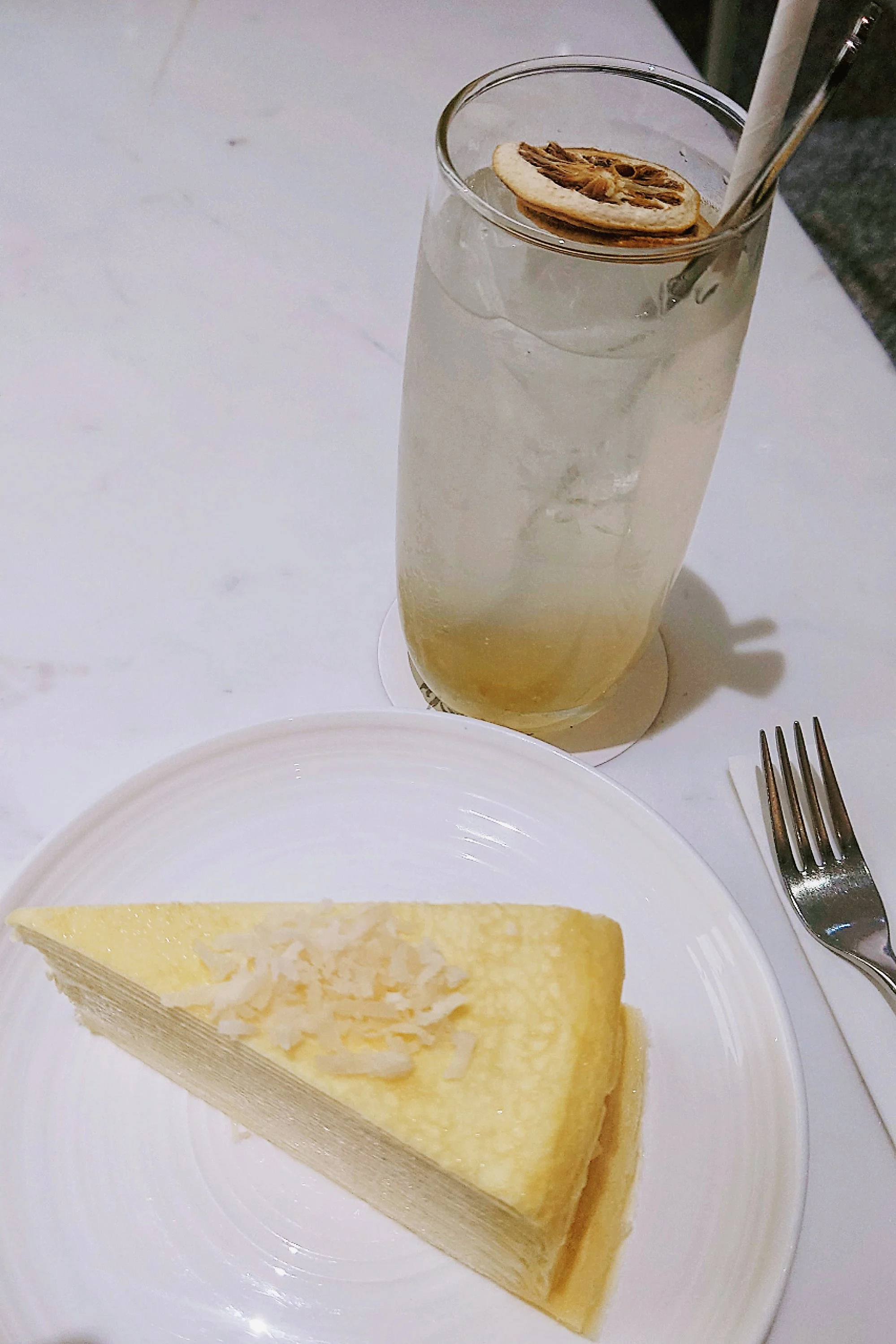
在澳门的蛋糕店。/ Lady M in Macau.
I kept the cakes in my refrigerator and slowly ate them on my own for breakfast and afternoon tea, using them as a small source of comfort to ease the stress and unpleasant emotions I had accumulated at work.
结果这个迪拜毕业回国的博士入职不久就被管理层发现能力不足,公正来讲公司的一些资源也没有配给到位,其中一个男合伙人一下午在实验室就设计做完的实验她花了一两周,期间和男合伙人交流工作内容的时候还被身为前女友的女上司斜眼看过。因为午饭时间经常听她向我和其他同事抱怨工作上的事情,我当时账目上的收据又一直向女上司要不到手,无法推进我的本职工作内容,索性就提出帮她做项目。结果正好赶上上海的台风天,一次在户外做实验的时候我准备架好相机拍摄实验过程,没有把相机在三脚架上装牢转身去工具箱里拿其他工具的时候这个博士就开始上手移三脚架,手法有些粗暴,结果直接就把相机从三脚架上震落了下来,镜头也被摔坏了,她拿起相机后晃了晃听见里面零件脱落的声音,直接把责任全都推到了我,说是因为我没把相机装牢而导致把相机摔坏的。
我:?
As it turned out, this PhD graduate who had returned to China after studying in Dubai was found by management to be lacking in competence not long after joining the company. To be fair, some of the company’s resources had not been properly allocated to her either. One of the male partners could design and complete an experiment in the lab in a single afternoon, while it took her a week or two to do the same thing. During one of her work-related discussions with him, she was even given a dirty look by the female supervisor, who happened to be his ex-girlfriend.
Since I often heard her complaining to me and other colleagues about work during lunch breaks, and I was still unable to get the invoices for my own accounts from the female supervisor, which meant I couldn’t move forward with my actual job responsibilities, I eventually offered to help her with her project instead.
As luck would have it, this happened to coincide with a typhoon weather in Shanghai. One time, while we were conducting an outdoor experiment, I was preparing to set up a camera to record the process. I hadn’t secured the camera firmly enough to the tripod before turning around to retrieve some other tools from the toolbox. That was when the PhD decided to start moving the tripod herself, handling it rather roughly. The camera was jolted straight off the tripod and crashed to the ground, damaging the lens in the process.
After picking up the camera, she shook it and heard the sound of loose components rattling around inside. Then she promptly shifted all the blame onto me, claiming that the camera had been damaged because I hadn’t secured it properly.
Me: ?
后来反反复复磨了我两天左右要我去向管理层主动承认是我把相机摔坏的,因为相机是我女上司的私人财产。我心里也是不乐意的,因为当时我看到她在忙着设定其他测试器材,以为她不会碰三脚架和相机,而且明明是她把相机从三脚架上碰掉摔落下来的,并且整个项目是挂的她的名字,我只是经常听她抱怨又觉得自己工作时间不饱和提出的帮忙而已。而且后来在读索尼创始人盛田昭夫的自传的时候他也提到说,自己年轻的时候在实验室工作的时候也犯过一些技术上而非原则上的错误,而每一次都是由他的上司顶了下来,因为他并不是项目的负责人,这些也都是在他创立索尼并在国际市场上闯出了一些名堂来之后回之前的工作单位探望时当时的上司才告诉他的。在这家公司工作的时候就明显感受到管理层与外企管理层甚至国外职场经理级别的人才的差异,这家公司的管理层经常午餐去中高档餐厅吃饭走公司的账,吃饭时间经常一两个小时左右,却要求员工吃完午饭就立刻回去工作,我自是不会理他们的,经常吃完午饭去咖啡店点一杯饮料,刷手机或者听音乐休息整一个小时。毕竟也有研究表明,人的心脏之所以从出生至死亡能不间断地工作,就是因为心脏工作与休息的时间比为4:6,毕竟心脏也不是长时间不间断工作,跳动给全身供血之间也有休息的间隙,相应的也拿建筑工地的工人做过实验,让他们每小时工作24分钟,休息36分钟,工作效率反而是比不间断地工作要高的。但现实并不是实验室里变量被操控且环境接近完美的实验,没有哪个建筑工地是会让工人每小时只工作24分钟的。而在外企实习的时候,更多的时候是管理层没空吃午饭或者晚饭忙着开跨洋会议,吃午饭也是简单的食堂饭菜或者三明治饭卷,只要工作内容按时完成而对员工不作任何要求的。自己也因为后来接连加班以及通勤时间过长,直接导致自己进入了职业倦怠期,到离职前上班的时候很长时间都无法集中精神做工作上的事情,而是盯着手机不停地刷新社媒动态,一直划到无更新内容自己也一直在机械性地刷新,精神上已经是全然麻木的状态。
She spent the next couple of days repeatedly pressuring me to go to management and proactively admit that I had dropped and broken the camera, since it was my female supervisor’s personal property.
I was reluctant to do so. At the time, I had seen her busy setting up other testing equipment and assumed she wouldn’t touch the tripod or camera. More importantly, she was the one who had knocked the camera off the tripod and sent it crashing to the ground. The entire project was under her name, and I had merely offered to help because I often heard her complaining about work and felt that my own workload wasn’t keeping me fully occupied.
Later, when I read the autobiography of Sony co-founder Akio Morita, I came across a passage in which he described how, when he was young and working in a laboratory, he had made several technical mistakes that were not matters of principle. Each time, his supervisor had taken responsibility for them on his behalf because Morita wasn’t the person in charge of the project. Morita only learned about this when he returned to visit his former workplace after founding Sony and earning a name for himself in international markets. It was his former supervisor who told him what had happened back then.
Working at this company made me acutely aware of the differences between its management and the management teams at multinational corporations, as well as managers at comparable levels in overseas workplaces.
The management team at this company would regularly go to mid-range or upscale restaurants for lunch and charge the invoices to the company’s bank account. Their lunches often lasted an hour or two, yet they expected employees to return to work immediately after finishing their meals. Naturally, I paid little attention to their expectations. I would often head to a café after lunch, order a drink, and spend a full hour scrolling through my phone or listening to music and resting.
After all, some research has suggested that one reason the human heart can keep functioning continuously from birth to death is that its working-to-resting time ratio is approximately 4:6. The heart doesn’t work without interruption for extended periods; even as it pumps blood throughout the body, there are brief intervals of rest between beats.
Similar experiments have also been conducted with construction workers. When they worked for 24 minutes and rested for 36 minutes every hour, their productivity was actually higher than when they worked continuously. In reality, however, the world is not a laboratory where variables can be controlled, and conditions are close to perfect. No construction site is going to let its workers work for only 24 minutes every hour.
By contrast, during my internship at a multinational corporation, management was often too busy attending transcontinental meetings to take lunch or dinner breaks. When they did eat lunch, it was usually something simple from the company cafeteria, a sandwich, or a wrap. As long as employees completed their work on time, management generally left them alone and imposed no unnecessary demands on how they spent their time.
The combination of repeated overtime and excessively long commute hours eventually pushed me into burnout. For a long time before I left the company, I could barely concentrate on my work. Instead, I would stare at my phone, constantly refreshing my social media feeds. Even after there was nothing in the update feed, I would keep scrolling and refreshing mechanically, as if I were on autopilot. Mentally, I had become completely numb.
不过后来也因为这个博士工作上连连犯错,而且和其他英国美国留学背景的博士甚至硕士相比工作能力和综合素质都明显不足,再加上她后来崴伤了脚更没办法工作,而被辞退了。
Eventually, though, the PhD graduate was dismissed after repeatedly making mistakes at work and demonstrating noticeably weaker professional abilities and overall competence than other PhD and even master’s graduates who had studied in the UK or the US. To make matters worse, she later sprained her ankle, leaving her even less able to work.
记得当时她没过多久因为上海的台风天在户外做实验的时候把公司的一台显示器也摔坏了,我因为要在实验室做其他项目以及整理公司账目,所以没有参与,她也没办法怪罪到我头上来。至今还记得镜头摔坏的隔天中午她一边啃着便利店买的玉米一边伙同和她合作其他项目的男技术员一起劝我去找管理层承认错误,我心里是极不情愿的,因为我并不认为相机摔坏是我的错,但又看到她因为显示器被摔坏在公司群里抱怨卖惨,再加上她负责的项目事故错误频发,我怕她心理负担太重就最后不情不愿地跑去和管理层承认说是我把相机摔坏了的,并且愿意主动承担维修费用。听到我报告的男上司当时倒是显得挺大度,说了句“这类事情是会发生的。”不过后来才了解到因为不是他的财产所以他不觉得心疼反而显得大度的缘故,因为有一次涉及到港币的业务,和我平时处理的美金账单不一样,我当时也是才接手公司账务上的事情,还以为客户没给公司付款,就找原本负责该项目的男上司给客户发邮件咨询,结果客户回复邮件说钱早就打了的,我后来也在收据非常规的位置找到了收款证明,结果该男上司却因为觉得我没查明账目让他去和客户要钱让他跌了面子当场气得在办公室咒骂出声。
我:?
I remember that not long afterward, during a typhoon weather in Shanghai, she also managed to damage one of the company’s monitors while conducting an experiment outdoors. I wasn’t involved at that time because I had other projects to work on in the lab and the company’s accounts to organize, so she couldn’t pin the blame on me.
To this day, I still remember how, the day after the camera lens was damaged, she sat there eating a boiled corn from a convenience store while teaming up with a male technician who was collaborating with her on another project to persuade me to go to management and admit fault myself. I was deeply reluctant because I genuinely didn’t believe the broken camera was my fault. However, I had also seen her complaining and playing the victim in the company’s group chat after damaging the monitor. On top of that, the projects she was responsible for seemed to be plagued by one mishap after another. I worried that the psychological burden might become too much for her, so, against my better judgment and my own will, I eventually went to management and admitted that I had broken the camera, even offering to cover the repair costs myself.
The male supervisor seemed quite magnanimous when he heard my account. He simply said, “Things happen.”
It was only later that I came to understand why he could be so generous: it wasn’t his property, so he didn’t feel the loss himself.
I was reminded of this by another incident involving a business transaction in Hong Kong dollars, which was different from the US dollar invoices I usually handled. I had only recently taken over the company’s accounting work and mistakenly thought that the client hadn’t paid us. So I contacted the male supervisor who had originally been responsible for the project and asked him to email the client to inquire about the payment.
The client replied that the money had been transferred long ago. I eventually found the proof of payment in an unconventional section of the receipts. But the male supervisor was furious because he felt that I hadn’t checked the accounts properly before asking him to chase the client for money, making him feel ashamed and embarrassed. He actually started cursing out loud in the office.
Me: ?
搞得我后来开始做工程项目的时候就三天两头泡在实验室里弄样品也不情愿回办公室,因为一次在招进几位新员工后重新安排个人工位的时候男上司还把我的办公位直接安排到了他旁边。结果就平时经常就听到不同的同事和他本人没事就问我人去哪里了。
我:?
After that, once I started working on engineering projects, I ended up spending most of my time in the lab preparing samples, sometimes for days on end. I was reluctant to return to the office unless I absolutely had to. The reason was that, after several new employees joined the company and management rearranged everyone’s desks, the male supervisor had assigned my workstation directly next to his.
As a result, I would constantly hear different colleagues—and the supervisor himself—asking where I had gone whenever I wasn’t around.
Me: ?
还有一次我早上七点就出门处理公司业务上的事情,回到公司的时候已经快十点多,结果才到班的男上司一脸笑眯眯还自觉自己大度地冲我:“才来上班?”
我:?
On another occasion, I had left home at seven in the morning to take care of some company business in a different district in Shanghai. By the time I returned to the office, it was already past ten in the morning. The male supervisor, who had only just arrived at work himself, looked at me with a big, smug smile, apparently thinking he was being understanding, and said, “Just arrived to work now?”
Me: ?
去大厂的产线和公司观光后,感觉他也没学到什么正经的东西,就一再反复地提大厂的公司员工把名牌挂在腰带上很帅这一点,然后还让行政买了套一模一样的要求员工带上,结果大多数人都和我一样放包里,就他一个人挂腰带。
我:🙄
就和后来被调侃为史蒂夫·乔布斯的转世灵童的众多效仿者一样,他们就只模仿他的穿衣打扮,从表面上的东西入手,而不是学他的创业精神,以及融会贯通以及整合科技的能力,后来但凡看到他穿高衣领配牛仔裤就觉得烦要翻白眼。
After visiting the production lines and touring a major tech company’s facilities, I got the impression that he hadn’t actually learned anything particularly substantial. Instead, he kept going on and on about how cool it looked when the company’s employees clipped their ID badges to their belts. He even asked the administrative staff to buy an identical set and required everyone to wear theirs that way. In the end, most people, myself included, simply kept their badges in their bags. He was the only one who actually clipped his to his belt.
Me: 🙄
It reminded me of all those people who tried to imitate Steve Jobs and were later mocked as tulku (wannabe reincarnations) of the man. They copied his clothes and appearance, focusing on superficial details rather than learning from his entrepreneurial spirit or his ability to integrate different technologies into a coherent whole. Eventually, I got so tired of seeing him in a turtle-neck top and jeans that I couldn’t help rolling my eyes whenever he showed up dressed like that.
注:“转世灵童”是藏传佛教中的一个宗教概念,指被认定为某位已故高僧或宗教导师转世的儿童。在藏传佛教的转世传承制度中,信众和宗教机构会通过特定的宗教仪式、预言、征兆及辨认程序,寻找并确认被认为是前世高僧转世的孩子。被认定后,孩子通常会接受系统的宗教教育,学习佛法,并在成年后承担相应的宗教职责。达赖喇嘛和班禅喇嘛的转世传承便是这一制度中较为知名的例子。
Note: A tulku, sometimes referred to in Chinese as a reincarnated spiritual child (转世灵童), is a child recognized within Tibetan Buddhism as the reincarnation of a deceased high-ranking lama or spiritual teacher. According to Tibetan Buddhist tradition, religious authorities identify potential reincarnations through a combination of religious rituals, prophecies, auspicious signs, and recognition tests. Once recognized, the child typically receives a comprehensive religious education and is prepared to assume the spiritual responsibilities associated with the predecessor's lineage. The reincarnation lineages of the Dalai Lama and the Panchen Lama are among the best-known examples of this tradition.
离职前还由经一个男同事之口告诉我男上司做完一个小手术休息了一天就去外地开会了。
我:?那不然呢
结果被爱拍马屁的男同事当场指责冷血没有同情心,也知道他是爱演,毕竟他也参与跟踪霸凌我和其他同事,演技非常烂的同时平时看谁在工作上遭遇了困难总是爱看乐子不会帮忙的,对方演技爆发的那一刻在实验室他的头顶上就装着一个摄像头。
心里是更加不屑了,只是连带着对方一起觉得两个都是只会叽叽歪歪的矫情贱人。
后来我在新公司工作时脚崴伤做完手术半天都没休息,在医院签完字给自己办完出院后第二天一早是单脚跳着按时到班的,还是午休期间在外送软件上下单给自己买的一幅拐杖,除了请假要告知的同事上级之外,连家人都不知道。
Shortly before I left the company, a male colleague told me that my male manager had undergone a minor surgery, rested for just one day, and then travelled out of town for a meeting.
Me: ? Well, what exactly did you expect then?
One male colleague who was always kissing ass to management immediately accused me of being cold-blooded and lacking empathy. I knew he was just putting on a performance. After all, he had also participated in stalking and workplace bullying directed at me and other colleagues. His acting skill was very terrible, and he was the sort of person who enjoyed watching others struggle at work rather than offering any help. At the very moment his performance reached its dramatic peak in the laboratory, there was literally a surveillance camera mounted right above his head.
I became even more contemptuous of both of them. In my mind, they were just two whining little bitches who did nothing but complain and make a fuss.
Later, after I started working at a new company, I sprained my ankle badly enough to require surgery. I didn’t even rest for half a day after the operation. After signing the discharge papers and completing the hospital discharge procedures myself, I showed up for work on time early the next morning out of the hospital, hopping on one leg.
I even ordered myself a pair of crutches through a delivery app during my lunch break the first day back. Apart from colleagues and supervisors I was required to notify when taking sick leave, I didn't make a fuss to tell anyone—not even my own family.
工作推进不动心理上给我感觉是很糟糕的,正好当时有认识的人来上海观光,就直接午饭的时候找借口出去了,结果因为搞错了分店地址也没见到对方,隔了两个小时之后在车站的快餐店买了汉堡回单位。后来一次索尼在上海办展会正好赶上周五连上周末三天,我琢磨了一下周末两天人太多我是不愿意去的,周五又要上班,又不好用这个借口直接请假,自己真正喜欢的东西是不愿意和相处不深的同事分享的,而且大多数人去索尼的展会只会在游戏以及PlayStation展区作长时间停留,而我是对索尼几乎全线的产品以及服务感兴趣并且想要了解的,所以问了行政人员自己的请假额度,然后 编了个借口说“发小结婚”去跟领导层请假自己一个人周五高高兴兴地去逛索尼的展会。
Being unable to make any progress at work was taking a serious psychological toll on me. As it happened, someone I knew was visiting Shanghai at the time, so I used lunchtime as an excuse to slip out of the office and meet them. Unfortunately, I got the branch location wrong and never managed to find them. Two hours later, I ended up buying a hamburger from a fast-food restaurant at the train station and heading back to work.
Later, Sony held an exhibition in Shanghai that happened to run from Friday through the weekend. After thinking it over, I decided that I wasn’t willing to go on Saturday or Sunday because the crowds would be unbearable for me. But Friday was a regular workday, and I couldn’t exactly use the exhibition as an excuse to ask management for time off.
Besides, I didn’t want to share the things I genuinely love with colleagues I wasn’t particularly close to. Most people who went to Sony exhibitions would spend hours lingering around the gaming and PlayStation sections, whereas I was interested in exploring almost the entire range of Sony’s products and services.
So I asked the administrative staff how much annual leave I had left, then made up an excuse about a childhood friend getting married and requested the day off from management. That Friday, I happily went to the Sony exhibition all by myself.
到了乌普萨拉念书后发现一些认识的同学会延期硕士论文的时间,先选择工作或者实习一阵子再回学校写论文,偶尔和他们聊天了解近况的时候对方也说虽然到了新的城市工作生活,但平时工作忙到都没有在当地出游的时间,安慰对方的同时也感觉和自己刚到上海的情况类似,不过后来也刷到过对方大概是因为生活工作在当地稳定下来后周末出游休闲娱乐的照片,自己也是发自内心地为他们感到高兴,认为尽可能地游历感受自己身处的世界是每个年轻人或者是每个人的人生不可或缺的一部分。但自己的经历却是完全不同的,因为在国内工作的时候公司会在员工手机上安装监控软件,哪怕属于私人生活的时间也不会放过,我当初到上海在工作生活稳定后也会找活动休闲放松,结果隔天或者过不久就会被安排更多的工作内容被强制加班留在公司更久,理由是有那么多时间下班周末休闲是因为平时工作时间不饱和,就只是因为我前一天到点按时下班绕路去奶茶店买了一客当季新品拍照发社媒留念罢了,至今还记得一次我按时准点打卡下班,刚走出公司门就迎面撞上男上司,结果他看我背着包准备走立马把脸拉得老长,还当即就给负责培训我的员工说我工作不饱和让他多安排点工作给我,不能让我这么早走。自己也能揣测到内心阴暗生活苦逼的上司是什么心理:“我十几二十几岁年轻的时候没有机会享受到的东西她凭什么拥有?没有能在现代化程度高的城市生活休闲过她凭什么可以?现在吃苦,未来享福!我就是见不得她笑!”
我:?我没吃过你那所谓的“苦”却也享到了你没经历过的“福”啊?不过我的日子给你过你怕是一天都坚持不下来,你也不具备能过我的日子的能力以及阅历。
After moving to Uppsala for my studies, I noticed that some of the people I knew would postpone their master’s thesis, choosing to work or do an internship for a while before returning to university to finish writing. Occasionally, when I caught up with them and asked how things were going, they would tell me that although they had moved to a new city for work and life, they were so busy with their jobs that they barely had time to explore the place they now called home.
As I tried to reassure them, I couldn’t help feeling that their situation was similar to mine when I had first arrived in Shanghai. Yet later, I would come across photos of them going on weekend trips, enjoying leisure activities, and exploring their surroundings, presumably after their work and personal lives had become more settled. I was genuinely happy for them. I believe that exploring and experiencing the world around you, as much as circumstances allow, is an indispensable part of life for young people—or, for that matter, anyone.
My own experience, however, had been entirely different. When I worked in China, the company installed monitoring software on employees’ phones. Even our supposedly private time outside working hours was not entirely off-limits.
When I first arrived in Shanghai and had settled into my new life and job, I would also look for activities to unwind and enjoy myself. Yet the very next day, or shortly afterward, I would find myself assigned to do even more work and forced to stay late at the office. The justification was that if I had so much time to enjoy myself after work or on weekends, it must mean that my workload during regular working hours wasn’t sufficient.
And all of this could happen simply because I had clocked out on time the previous day, taken a detour to a bubble tea shop to buy a seasonal special, and posted a photo on social media as a little memento.
I still vividly remember one occasion when I clocked out right on time and walked straight out of the office, only to run into my male supervisor face-to-face. The moment he saw me with my bag on my shoulder, ready to leave, his expression darkened. He immediately turned to the employee responsible for training me and told him that I wasn’t sufficiently occupied with work and that he should assign me more tasks. He couldn’t have me leave so early.
I could almost imagine the dark, bitter thoughts running through the mind of a supervisor whose own life seemed so miserable:
“Why should she get to enjoy the things I never had the chance to experience when I was in my teens and twenties? Why should she get to live and enjoy herself in a highly developed, modern city when I never had that opportunity? Suffer now, enjoy life later! I simply can’t stand seeing her being happy!”
Me: ?
I may not have experienced the kind of “hardship” you claim to have endured, but I’ve also enjoyed the kind of “good fortune” you never got to experience. And honestly, if you had to live my life, I doubt you’d last even a single day. You simply don’t have the ability, the experience, or the perspective required to live the life I’ve lived.

后来也摸准了他们这种心理,再加上我也是喜欢拍照记录自己的生活的,对自己或者同阶层的人算是日常的存在,在他们眼里却莫名其妙反而成了炫耀和心理上的刺激,离职后还在他们的工作时间去自己喜欢的暗黑浪漫主义的Alexander McQueen店里买靴子拍照发社媒,一方面是想让日常把自己美国留学背景挂在嘴边的对方认清这个世界上有除了东亚模式外不同认知和生活方式的现实,一方面也希望当时已经30多年纪的对方能将自己20多岁就应该合理化因对别人嫉妒不满产生的有毒情绪在40岁到临之前解决掉。不过后来自己也意识到如果一个人下定决心长久地哪怕在公共场合都要公开当对别人怨气十足的混蛋,那你永远也改变不了他们,甚至连他们自己也不行。
Eventually, I figured out what made them tick. I’ve always enjoyed taking photos to document my life, and things that were perfectly ordinary to me or to people in a similar social bracket somehow became, in their eyes, displays of wealth and status that provoked a strange sense of psychological discomfort.
After leaving the company, I even went to the Alexander McQueen store, with its dark romantic aesthetic, to buy a pair of boots and take photos to post on social media—all during their working hours.
Part of me wanted the person who was constantly bringing up their American educational background to realize that there was a whole world of perspectives and ways of living beyond the East Asian model they seemed so fixated on. Another part of me hoped that, now in their thirties, they might finally work through the toxic emotions they had been carrying since their twenties—the jealousy, resentment, and dissatisfaction they directed at other people—before approaching forty.
But eventually, I came to realize something: if someone makes a conscious decision to spend their life being openly resentful and spiteful toward others, even in public, there is no way you can change them. Not even they can change themselves.
回家休养和母亲散心聊天的时候还说在一些公司工作的感受就像很久之前看到过的食人族笑话,一位教授去食人族部落带了一个年轻人回学校让他学人类学,拿了学位毕业后把他送回去希望他能改善部落的整体教育水平,结果后来教授再去食人族部落参观的时候发现愣是找不着那个年轻人的影子,就问部落里的人他上哪儿去了?部落的人回答说:“他回来整天活也不干就成天抱着他那本破书在看,没什么用,我们把他做了吃了。”教授听了气得不行。后来到了乌普萨拉和朋友聊天时提起在国内的工作经历也说:“我在他们决定吃了我之前赶紧带着我的破书跑路了。”还追加一句“你以为他们是不想尝尝那个教授是嘛?”
While I was back home recovering and spending time with my mother, chatting with her and getting out of the house to clear my head, I told her that working at certain companies reminded me of a joke about cannibals I had read a long time ago.
In the joke, a professor visits a cannibal tribe and brings a young man back to his university to study anthropology. After the young man earns his degree, the professor sends him back to his tribe, hoping he will help improve the overall level of education there.
However, when the professor later returns to visit the tribe, he can’t find the young man anywhere. He asks the tribespeople what happened to him.
“He came back and did absolutely no work. All he did was sit around clutching that stupid book of his and reading it all day. It was completely useless to us, so we cooked him and ate him.”
The professor is absolutely furious.
Later, when I was in Uppsala chatting with friends about my work experience back in China, I put it this way: “I got out of there with my stupid books before they decided to eat me.”
Then I added, “What makes you think they wouldn’t have wanted to taste the professor, too?”
之后工作的一家公司年纪比我大一辈左右的员工因为已经被社会毒打过,知道这个世界的一些隐性运行规则,也只敢在没有职业道德素质低下的人事部大专学历的职工那打听来我的私人信息和家庭状况后在跑到我面前阴阳怪气说家里这么有钱还出来打工啊。年轻同事对我的态度却全员愤青一般,但也在看到我妈穿着纯水貂皮大衣,我爸开着奔驰到公司楼下劝我回家过春节后对我的态度变得恭敬。当时还时不时地招一些男实习生或入职不久就又被辞退的男同事来公司在我四周晃荡,自己就有女儿的男上司还一脸“关切”地在晚饭休息时间冲着我的方向说“年轻人的生理需求还是要解决”,我头都没抬也不想有任何回应,只是觉得在职场环境中在上下级面前当众发表这种言论的对方恶心至极。在有毒的环境里待久了就如温水煮青蛙一般,后来也总结出规律,但凡不给公司里的男同事一点“甜头”,比如语言上的谄媚和一些让我回想起来就要呕吐的简单肢体接触,就不给我项目做或者学习新技术。当时工作的公司有厂房,但也是没去过的,听同部门的管理人员说厂里的车间主任要在管理厂里学历不高的技术员的时候也会胡编乱造一些阴谋论来恐吓他们。和同事毫无共同话题的同时消费习惯也截然不同,比如周末他们喜欢的活动是组队去热闹商区吃饭社交唱k,工作赚钱也是为了和在同一圈层的人生活社交,我则是喜欢骑一个多小时的共享单车到上海荒无人烟的开发区,再租条小船划到僻静无人的河中央,或者看展逛家居生活店,工作赚钱也是为了平时得闲可以远离人群和工作上人为造成的破事。这样时间久了精神状态变差也完全没有值得我信任的人可以倾诉,于是周末的时候开始去做心理咨询,结果在咨询师那得出的结论就是我完全没什么问题,但也在心理咨询师开始极具中国特色地劝我赶紧谈恋爱结婚后直接断了联系。后来还和家人吐槽说,结婚确实是我要完成的一项重要人生任务之一,但你要有被我认可的对象存在啊?你不知道那些男的质量是有多差还一副胆大包天的样子。后来和朋友提起在美国以及国内和中国男的打交道的经历时说得最多的也是“请认清自己的身份位置”以及“胆大包天”。和妈妈吐槽时还拿兔子作比喻,我可是经过几代科学家选育驯化的养尊处优且毛色漂亮的家养荷兰兔,他们也不知道是哪里来的一天到晚就在外面蹦达温饱都成问题四五年都活不到的野兔子,妈妈听了也觉得比喻准确,一起发笑。因为自己平时在家备菜做菜时有挂VPN开着油管的视频当背景音的习惯,不过在墙内使用梯子的人都是受管控的,过了一阵子大概是通过软件的数据采集检测到我的使用地点,油管上的推送内容也开始出现一些在中国敏感的政治内容,后来也知道被不同的群体跟踪监控着,还把家里的无线网密码改成了“子宫摘除”。入职某科技大厂后就看到同部门一个在德国念了一年硕学位的中国男的,这时候已经被国内的职场和整体环境折磨并意识到如果我不在表面上演出对这个资质平庸且毫无责任心的男的感兴趣的样子,自己在公司是待不长的,而且这个时候也发现年轻单身女性在国内职场是完全无法独立存在,是要对男性有依附性才能在公司有长期发展,再加上当时只是因为从来没学过python工作上又需要用便跑去问了他几个简单的问题,却被两周才来一次公司,当时却正好在场的韩国部门经理认定我是对他有意思,当时问完问题后就用余光看到他不停地朝我和那个男的的方向看,脸上还露出带有暗示性的笑容,还当即收到了他让我有问题就要和那个男的多多交流的信息。在东亚职场忤逆上司可是大忌晦(所以私下里和同级别的同事一起辱骂上司在国内职场倒算是政治正确),后来还被这个一厢情愿给我拉郎配的经理发了群发邮件抄送全部门点名安排两个人去吃午饭,压力和胁迫意味直接拉满。
后来在乌普萨拉教学生钢琴,课程结束后咨询对方关于瑞典职场的相关问题时提到这段经历,对方吃惊地问我:“你就跑去问了他几个简单的问题管理层就那样?”自己也是无奈地耸耸肩。
At the next company I worked for, some of the employees who were roughly a generation older than me had already been beaten down by life enough to understand the unspoken rules of how the world works. Even they only dared to obtain information about my private life and family circumstances by asking the poorly educated HR staff member, who had no sense of professional ethics, before coming up to me and making snide remarks like, “Your family is so rich, so why are you still working for someone else?”
Colleagues similar to my age, on the other hand, were uniformly resentful and rebellious in their attitudes toward me, as if they were all angry young men fighting against injustice of the world. Yet their attitudes became noticeably more deferential after they saw my mother wearing a pure mink coat and my father arriving downstairs at the office in a Mercedes to persuade me to come home for Chinese New Year.
From time to time, the company would also bring in male interns or male colleagues who had only recently joined and were subsequently dismissed, having them wander around near me. My male supervisor, who had a daughter of his own, would even make a show of expressing his “concern” during dinner breaks, saying in my direction, “Young people still need to take care of their physical needs.”
I didn’t even look up, let alone respond. I simply found it utterly disgusting that someone would make such a remark publicly in a workplace, in front of both subordinates and superiors.
When you spend too long in a toxic environment, it becomes like a frog slowly being boiled alive. Eventually, I began to recognize the pattern: unless I gave the male colleagues at the company some kind of “sweetener”—whether verbal flattery or certain seemingly minor forms of physical contact that still make me want to throw up when I think about them—I wouldn’t be given projects to work on or opportunities to learn new technologies.
The company I worked for had a factory, although I never actually visited it. Managers in my department told me that the workshop supervisors there would sometimes fabricate conspiracy theories to frighten the technicians with limited formal education whom they managed.
I also had not much in common with my colleagues, and our spending habits were worlds apart. On weekends, they enjoyed going out in groups to crowded commercial districts to eat, socialize, and sing karaoke. They worked and earned money to maintain a social life with people from the same circles.
I, on the other hand, enjoyed riding a shared bicycle for over an hour to the deserted development zones in the outskirts of Shanghai, then renting a small kayak and rowing out to the quiet, empty middle of a river. Alternatively, I would visit exhibitions or browse home furnishing and lifestyle stores. For me, working and earning money meant being able to enjoy my free time away from crowds and the unnecessary drama that people manufactured at work.
As time went on, my mental state deteriorated. I had no one I could genuinely trust enough to confide in, so I started seeing a therapist on weekends. The conclusion I reached through those sessions was that there was nothing particularly wrong with me. However, when the therapist began urging me, in a manner that felt distinctly characteristic of Chinese social expectations, to hurry up and find a partner and get married, I immediately stopped seeing her and cut off her contact.
Later, I complained to my family about it. “Marriage is indeed one of the important life milestones I want to achieve, but that presupposes that there’s actually someone I consider suitable! Do you have any idea how terrible the quality of these men is? And yet they behave as though they can get away with absolutely anything.”
When I later told friends about my experiences dealing with Chinese men, both in the United States and back in China, the two phrases I repeated most often were, “Know your place,” and “The audacity.”
When venting to my mother, I even used rabbits as an analogy. I told her that I was a pampered, beautifully colored domestic Dutch bunny, selectively bred and domesticated by generations of scientists. Meanwhile, these men were some kind of wild rabbits that had come out of nowhere, hopping around outside all day, barely able to feed themselves and unlikely to survive more than four or five years.
My mother agreed that the comparison was spot-on, and we both burst out laughing.
At home, I had a habit of preparing ingredients and cooking with YouTube videos playing in the background through a VPN. However, using VPNs to bypass China's internet restrictions can expose users to monitoring and regulatory scrutiny. After a while, I began noticing that YouTube recommendations were showing me politically sensitive content in China, possibly because the platform's data collection had inferred my location or interests. I later learned that I was being tracked and monitored by different groups. I even changed my home Wi-Fi password to “Hysterectomy.”
After getting hired by a big tech company, I encountered a Chinese male colleague in my department who had spent a year completing a master's degree in Germany. By then, I had already been worn down by the Chinese workplace and the broader social environment. I had come to believe that if I didn’t at least pretend to be interested in this mediocre, utterly irresponsible man, I wouldn’t be able to stay at the company for long.
I had also begun to realize that, at the Chinese workplace, young single women were often not allowed to exist independently on their own terms. To build a long-term career, they were expected to maintain some form of dependence on men.
At the time, I had simply gone to this colleague to ask a few basic questions because I had never learned Python and needed to use it for work. Yet the Korean department manager, who only came into the office once every two weeks and happened to be there that day, immediately concluded that I was romantically interested in him.
After I finished asking my questions, I noticed out of the corner of my eye that the manager kept looking back and forth between me and the man, wearing a suggestive smile. He then immediately messaged me that whenever I had questions, I should make a point of communicating with that colleague more often.
In East Asian workplaces, openly defying your superior is practically a cardinal sin. (Ironically, privately cursing out your boss with colleagues at the same level is practically considered politically correct in Chinese office culture.)
Later, this manager, having unilaterally decided that we were a suitable match, sent a mass email copied to the entire department, explicitly assigning the two of us to go to a lunch tasting together. The pressure and coercion were impossible to miss.
Few years later, while teaching piano to students in Uppsala, I asked one of them about workplace culture in Sweden after a lesson and mentioned this experience. They looked at me in disbelief and asked, “You just went to ask him a few simple questions, and management reacted like that?”
All I could do was shrug helplessly.
就像以二战为背景的经典反战电影《西西里的美丽传说》里的女主一样,丈夫死在战场上的消息误传回家乡后,父亲又意外去世后,因为没有了男人的庇护,不得不为了生存出卖色相,想尽办法只为买来一些面粉和面包以供自己维持生计。而她从始至终都没有变心过,也是因为生活困难被逼不得已作出的选择,取悦男性得以生存的同时还要承受同性无尽的嫉妒与恶意,到最后竟演变成了虐待和残害,影片的结尾她挽着从战场上回家的丈夫的手从对着他们窃窃私语的人群中走过,当地女性们看到她决定既往不咎也是因为当地男人们也看到她身旁的丈夫不敢再用眼神言语骚扰她,他们的老婆也是对“你看她脸上长出了细纹不如往日一样年轻漂亮了”了这一点议论纷纷,觉得她对自己失去了威胁而表现得像她们从来没有羞辱过她一样,摆出一副大度的样子,给她的包里塞了各种免费的衣服和果蔬,营造出一种皆大欢喜的结局,好像战时的女主在生理和人格上遭受的屈辱能被这些小恩小惠一笔勾销一样。只不过电影里故事的背景是是上世纪的意大利南部,而我身处东亚现代社会却也要承受因为坚决选择不肯完全依附男性而在父权社会遭受惩罚,现在回看电影来看,如果女主的丈夫没有从战场中幸存回来,她大概率是永远没有机会再回到自己久居的镇子,还能再去市场从容地买菜,被当地的妇女因为过往的愧疚而过度补偿式地对待她的,但凡没有像电影里那样挽着她丈夫的胳膊一起同行回来,只怕是她要再敢再在当地单独露面都要被人追着扔石头加以处刑。
Much like the heroine of Malèna, the classic anti-war film set against the backdrop of World War II, she found herself in an impossible situation. After the false news of her husband’s death on the battlefield reached their hometown, her father also died unexpectedly. With no man left to protect her, she was forced to sell her looks to survive, doing whatever she could just to afford flour and bread and keep herself fed.
Yet she never stopped being faithful to her husband. Her choices were driven by desperation, by circumstances that left her with few alternatives. While she struggled to survive by catering to male desire, she also had to endure the endless jealousy and malice of other women. Eventually, that hostility escalated into outright abuse and physical violence.
At the end of the film, she walks arm in arm with her husband, who has returned home from the battlefield, passing through a crowd of people whispering about them. The local women decide to let bygones be bygones, but their change of heart has less to do with genuine remorse than with the fact that the men in town can now see her husband beside her and no longer dare to harass her with their leering looks and suggestive remarks.
Their wives, meanwhile, gossip among themselves about how fine lines have appeared on her face and how she is no longer as young and beautiful as she once was. Convinced that she no longer poses a threat to them, they behave as though they had never humiliated her in the first place. They put on a show of magnanimity, stuffing her bag with free clothes, fruit, and vegetables, creating the appearance of a happy ending in which everyone has reconciled.
It is almost as though all the indignities Malèna suffered during the war, both physical and psychological, can somehow be erased by crumbs of kindness.
The film, of course, is set in southern Italy in the last century. Yet here I am, living in modern East Asian society, still being punished by a patriarchal system simply because I have firmly refused to make myself entirely dependent on men.
Looking back at the film now, I can’t help thinking that if Malèna’s husband had never returned from the battlefield, she would probably never have had the chance to return to the town where she had lived for so long, let alone stroll through the local market and buy groceries in peace. The local women would never have showered her with excessive, almost compensatory gestures of kindness out of guilt for what they had done to her.
If she had not returned arm in arm with her husband, as she does in the film, I suspect that the moment she dared to show her face in town alone again, people would have chased her down and stoned her as a form of public punishment.
在芬兰公司实习以及在到了瑞典才发现,整个北欧都实行的是扁平化管理,就算是部门经理也是不能随意不去上班,也是要参与项目进程的,女性做管理层的情况也十分常见,也从没见过在国内职场遇到过本就少见的女经理刚交代完工作任务,在她人前下属点头哈腰连声应着,结果女经理一走就翻白眼辱骂对方的。在餐馆培训学做寿司时的后厨经理也要负责和员工一起到点打扫卫生以及补货等等。而国内乃至整个东亚的职场是按职位身份给职员分级的,再加上东亚三国人在大部分西方人眼里外貌长相都差不多,但内部还是有分别,就比如中国人会看眼色,日本人讲究不ky,要会“读空气”,相较之下受美国流行文化影响严重盛产肥皂剧对外营销他们自己非常喜欢谈恋爱的韩国人在一些问题上就明显缺少敏感度,就算同部门的中国同事们包括我自己在内心里再清楚那个男的无论哪一点都远配不上我,也是不敢和他们的顶头上司韩国经理提出一个字的异议的,也只有在他不在班的时候给我一些暗示。我也在一日厂区工作时听同事说供应商要换成日本的公司,说不定以后会连带着韩国的管理层一起换了之后脸上情不自禁地露出开心的笑容,发自内心地感到高兴,只不过看了眼厂房屋顶上的摄像头之后怕被同部门的韩国人看到又逼自己把上扬的嘴角压下去。
It was during my internship at a Finnish company, and later after moving to Sweden, that I discovered how the Nordic countries generally operate under a flat management structure. Even department managers cannot simply skip work whenever they feel like it; they are expected to remain involved in project execution and progress. Women in management positions are also very common.
I had never encountered the kind of behavior I had witnessed in Chinese workplaces, where a female manager—already a relatively rare sight in the East Asian corporate world—would finish assigning tasks, only for her subordinates to nod obsequiously and repeatedly agree with everything she said to her face, then roll their eyes and curse her the moment she walked away.
Even the kitchen manager at the restaurant where I trained to make sushi was expected to work alongside the staff, cleaning the kitchen and restocking supplies at the designated time, among other routine tasks.
In China, and indeed across much of East Asia, employees are ranked and treated according to their positions and status within the organizational hierarchy. Moreover, although Chinese, Japanese, and Korean people often look quite similar to most Westerners, there are still significant cultural differences among the three societies. For example, Chinese people tend to be highly attuned to social cues and others’ reactions; in Japan, people are expected to avoid being KY (kuuki yomenai), or someone who cannot “read the room.”
By comparison, South Korea, whose popular culture is heavily influenced by American entertainment and whose television industry churns out soap operas that frequently revolve around romance, seems to produce a rather different kind of social sensitivity in certain situations.
Even though my Chinese colleagues in the same department, myself included, knew perfectly well that this man was in no way a suitable match for me, none of us dared to voice even the slightest objection to the Korean manager who was his direct superior. The most they would do was drop me a few hints when he wasn’t around.
I also remember one day when I was working at the factory and a colleague mentioned that the company was going to switch to a Japanese supplier. Perhaps, they speculated, the change might eventually extend to the Korean management team as well.
I couldn’t help smiling. I felt genuinely happy at the prospect. But then I glanced at the surveillance camera mounted on the factory roof, worried that my Korean colleagues in the department might see my expression, and forced myself to press the corners of my mouth back down.
注:在网络聊天、论坛或弹幕语境中,“KY”源自日语“空気読めない”(意为“不会读空气”),用来形容一个人无法察觉场合氛围、他人情绪或语境边界,因此说出不合时宜、破坏气氛或令人尴尬的话。当网友说“你这样发言很KY” 时,意思是对方不懂看气氛,说话缺乏分寸,打断大家的情绪或在不合适的时机发表扫兴或无关的评论。
In online contexts such as chats, forums, and bullet comments, “KY” is slang derived from the Japanese phrase “空気読めない (kuuki yomenai),” meaning “unable to read the air.” It describes someone who fails to perceive social cues, emotional atmosphere, or contextual boundaries, and therefore says something inappropriate, insensitive, or mood breaking. When netizens say “What you are saying is very KY,” they mean the speaker is being socially tone-deaf—ignoring the group’s emotional tone, interrupting a shared sentiment, or introducing an awkward or irrelevant comment that dampens the atmosphere.
当然受韩国经理典型东亚管理模式荼毒的也不止我和公司的其他中国人,之前在读一位留日中国工程师在一家美国企业的工作经历和见闻时他也提到说,有一次韩国部门经理安排法国员工加班,第二天早上两个人到班却吵起来了,因为韩国经理指责法国员工加完班工位乱糟糟的也不知道收拾一下,结果没有受过有毒东亚归顺服从教育还动不动就在老家搞罢工的法国人没有选择逆来顺受,而是直接怼回去,并表示你安排我加班非但没和我说谢谢还挑刺,你以为你是谁啊?韩国人一看下属不听话还敢怼他更来气,结果两个人就因此吵起来了,还一路闹到人事部去。
Of course, I wasn’t the only one, nor were the other Chinese employees at the company, who suffered under the Korean manager’s quintessentially East Asian management style.
I once read an account by a Chinese engineer who had studied in Japan and later shared his work experiences and observations at an American company. He mentioned an incident in which a Korean department manager had assigned a French employee to work overtime. The following morning, when the two arrived at work, they got into an argument.
The Korean manager accused the French employee of leaving his workstation in a complete mess after working overtime and not even bothering to clean it up.
But the French guy, who had never been conditioned by the kind of toxic East Asian culture that demands unquestioning obedience and submission—and whose compatriots have a habit of going on strike back home in France whenever they have a grievance—wasn't about to just put up with it. Instead, he fired right back, essentially saying, “You made me work overtime, and instead of thanking me, you're nitpicking over the state of my desk. Who the hell do you think you are?”
The Korean manager was even more infuriated when he realized that his subordinate wasn't going to obey him without question and actually dared to talk back. The argument escalated, and the two ended up taking their dispute all the way to HR.
治不了法国人的除了韩国人外,日本人有时候也拿他们没办法。索尼创始人盛田昭夫在他的传记里谈到负责法国区经销索尼产品的代理人的时候,也是一改相对沉着自若的书面语气,有些气急败坏地说这位爱好打猎身着动物印花的法国人很难沟通销售方案,几乎完全不听他们的意见,还把索尼出口法国的产品安排到偏远港口去入关再转去巴黎的直营店贩售,对待索尼的产品也是毫不爱惜,态度略偏消极。
Besides the Koreans, the Japanese sometimes find the French just as difficult to deal with.
In his autobiography, Sony founder Akio Morita also discussed the agent responsible for distributing Sony products in France. For once, his usually composed and measured writing took on a distinctly exasperated tone. He described the French guy, an avid hunter who dressed in animal prints, as extremely difficult to communicate with when it came to sales strategies. The guy barely listened to their suggestions and even arranged for Sony products exported to France to clear customs through a remote port before being transported to Sony’s directly operated stores in Paris for sale. He also treated Sony’s products with little care and seemed rather indifferent to the business overall.
那次午饭试吃也是因为疫情期间,厂区无法像平常一样提供自助餐,而改换盒饭之后挑选供应商而产生的,请各部门各派两个工程师去试吃并反馈结果的邮件我看到了也没报名,因为觉得工作餐吃什么我无所谓。韩国部门经理发邮件抄送全部门点名我和那个男的去之前同部门已经有两个男工程师报名参加了,所以他在邮件里还特地回绝了那两个工程师并告知大家应该让我和他去。结果那顿午饭因为厂里房顶上密密麻麻的摄像头,以及那几天一直在班的经理,我又一次调动了从高中就磨练出的演技。常看美剧以及熟悉美国约会文化的人大概会发现,编剧在描写女方想要给男方留下好印象,或者对男方有意思的时候,吃饭时一般会让女方矜持地只点一客沙拉。我平时吃饭都是按自己喜好来的,无肉不欢,但当时看面前那么多选择,硬是逼自己去拿了一盒鸡胸肉沙拉,讲话前都看一眼头顶上的摄像头然后捏着嗓子讲,当然演到中途觉得不甘心,还出戏假惺惺关切地问对方点的盒饭里有什么菜,然后用自己不太爱吃的鸡肉换了他盒饭里的一块自己爱吃酱烧牛肉才作罢。结果就是他们成功被我的演技骗过,是真的觉得我对这个各方面条件都不上台面的男的感兴趣,也算大概明白为什么自己离开美国前一直收到漫威电影角色的试镜邀约。
That lunch tasting session was organized during the pandemic, when the factory could no longer provide its usual buffet-style meals and was considering switching to boxed lunches instead. The company was evaluating potential catering suppliers and asked each department to send two engineers to sample the meals and provide feedback.
I saw the email but didn’t sign up because I honestly couldn’t care less about what was served for lunch at work.
However, the Korean department manager sent an email copied to the entire department, explicitly naming that male colleague and me as the two people who should attend. By then, two male engineers from our department had already signed up. The manager went so far as to specifically turn down those two engineers in his reply and inform everyone that the two of us should go instead.
As it turned out, that lunch was yet another occasion when I had to draw on the acting skills I had been honing since high school, thanks to the countless surveillance cameras covering the factory roof and the fact that the manager had been on-site every day that week.
Anyone who regularly watches American TV shows and is familiar with American dating culture has probably noticed a recurring trope: when a female character wants to make a good impression on a man or show that she is interested in him, the writers will often have her order nothing more than a modest salad during a meal.
Normally, I eat according to my own preferences, and I’m a committed seafood and meat lover. But faced with all the options in front of me that day, I forced myself to pick up a box of chicken breast salad. Before speaking, I would glance up at the surveillance camera above me, then deliberately raise my voice into a softer, more affected register.
Halfway through the performance, though, I started to resent having to play the part so completely. Breaking character for a moment, I put on a falsely concerned expression and asked him what dishes he had in his lunch box. Then I traded some chicken, which I didn’t particularly like, for a piece of the braised beef in his lunch box—the kind of beef cooked in a savory sauce that I actually enjoyed. Only then was I at ease.
In the end, my performance successfully fooled them. They genuinely believed I was interested in this dude, who was hardly impressive by any measure.
I suppose I now have a better understanding of why, before I left the United States, I kept receiving audition invitations for roles in Marvel movies.
在对待感情问题上,尤其是遇到自己喜欢的人的时候,我总是相当迟钝,往往过了很久才会反应过来,但在不涉及任何情感的情况下,自己的反应总会特别快,得知对方的计划是拿技术移民去加拿大后立马在脑海里就规划好了搭上他去加拿大的计划,不过为的也是以后也是拿到加拿大的身份后会毫不犹豫地踹了他再跑去美国找自己当时喜欢的人,而且因为在国内念到高中第一年,又在美国生活过八年,对两种文化语境里和自己年纪差不多的男的也算了解,有时候一看肢体语言和一听说话语气就知道对方在想什么心思。也因为根本就不喜欢对方,所以才会产生利用他的想法。结果演了两个月就实在演不下去,因为对对方除了嫌弃厌恶外也实在没有任何其他正面的感情,认识没几周还主动给我讲他的感情史,明明知道自己是拿了资助金去德国念仅一年项目的学生,还有心思谈恋爱,自己在高中的时候也是因为知道自己在毕业后绝对会离开沙漠小镇去更符合自己成长环境且自己更喜欢的都市圈念书生活,也是绝对不想谈无疾而终毫无意义的恋爱,不想为了满足一时情感上的刺激和快感,或是因为不想单着只想随手抓一个人来陪自己,也更不想给自己留下什么并不光鲜,也不值得怀念的情感史,而且为了别人而葬送自己光明的前途,选择排名高专业好的学校不去上而委屈自己留在当地陪对方的事情,我绝对做不出来,真正对的人是会一直陪伴自己成长一直努力寻求两个人可以在一起的方案的,追求智力家庭条件人格尊严上多方面的平等,而不是为了给自己挣面子或者满足一时快感而随意发展任何一段关系。
When it comes to romantic relationships, especially when I meet someone I genuinely like, I tend to be remarkably slow on the uptake. Often, it takes me a long time to realize what is going on. But when there are no romantic feelings involved whatsoever, my mind works exceptionally fast.
The moment I learned that his plan was to immigrate to Canada through a skilled immigration program, I immediately began mapping out a plan in my head to use him as a stepping stone to Canada. My intention, however, was to secure Canadian residency first, dump him without a second thought, and then head to the United States to pursue the person I was actually interested in at the time.
Having completed my first year of high school in China and then spent eight years living in the United States, I also had a reasonably good understanding of men around my age in both cultural contexts. Sometimes, all it took was a glance at their body language or a few words in a particular tone of voice for me to figure out what they were really thinking.
And it was precisely because I had absolutely no romantic interest in him that I even entertained the idea of using him for my own purposes.
In the end, though, I couldn’t keep up the act for more than two months. Apart from contempt and disgust, I genuinely felt nothing positive toward him. Within just a few weeks of meeting me, he had already volunteered to spill out his entire romantic history, as though it were something I should be interested in hearing.
He was fully aware that he was a student who had received a scholarship to pursue a one-year program in Germany, yet he still had the time and energy to concern himself with romantic relationships.
Back in high school, I had already known that after graduation I would leave the desert town where I grew up and move to a metropolitan area that better matched my upbringing and personal preferences. I had absolutely no desire to get involved in a pointless relationship that was doomed to go nowhere.
I didn’t want to sacrifice my future for a temporary emotional thrill or the fleeting pleasure of romance. I certainly wasn’t going to pick someone at random simply because I didn’t want to be single. Nor did I want to accumulate a romantic history that was neither particularly flattering nor worth looking back on fondly.
And I would never turn down a place at a university with a stronger reputation and a better academic program just to stay in the same town and accommodate someone else’s wishes, effectively sabotaging my own promising future for the sake of a relationship.
The right person is someone who continues to grow alongside you and makes a genuine effort to find ways for the two of you to build a life together. A healthy relationship should involve equality on multiple levels, including intellectual ability, family background, and personal dignity. It should never be something you pursue casually just to boost your ego, save face, or satisfy a momentary craving for excitement.
当时听着对方还自觉一脸诚恳地我分享,就觉得有些荒谬滑稽,并觉得对方和自己价值观完全不一样,而且觉得对方于自己对别人毫不负责任,而且也告诉我说回国之后就和在德国谈的中国女朋友分手了。
对方连一年的单身都做不到坚持,而自己更是为了坚决不降低自己的标准在美国念书以及上海工作期间一直是单身,有脑子的人想想都知道我绝无看上他的任何可能。
Listening to him recount all of this with such an earnest expression, as though he were sharing something deeply meaningful with me, I found the whole thing rather absurd and comical. It made me realize just how fundamentally different our values were. I also felt that he was being completely irresponsible toward other people, especially when it came to relationships. He even told me that after returning to China, he had broken up with the Chinese girlfriend he had been dating in Germany.
He couldn’t even manage to stay single for a year. Meanwhile, I had remained single throughout my years studying in the United States and working in Shanghai, precisely because I was determined not to lower my standards.
Anyone with even a shred of common sense would realize that there was absolutely no chance I would ever be interested in him.
一次早上上班的时候假模假样的把椅子挪到坐在我旁边的男同事身边,问他要不要周末一起去看电影的时候眼神一直往我的方向瞟还说他最喜欢看《变形金刚》,我当即就知道他揣的什么心思,直接转头插话说我看《变形金刚》直接看睡着过,最喜欢看你们男的一分钟都看不下去的法国文艺爱情片。(不过自己看电影时每每看到爆破战争或者激烈的打斗场面都会一秒入睡,骨子里的和平爱好者罢了(不是))。我刚入职没多久还对我展现出了莫名其妙的占有以及点评欲,听说我周末会去酒吧夜店消遣放松看乐队演出还阴阳怪气,明嘲暗讽指责我有生活作风有问题,是不检点不自爱的坏女人。我听了也只会在心里发笑说这就是在德国念的一年硕的结果?他是没见过或者完全没听说过当地德国年轻人是怎么娱乐休闲的?诶哟一副老气横秋半截身子埋进坟的死德性对待中国女生对待外国女生还有两副面孔呢?封建社会在中国什么时候结束的?刚入职时出于同事间相处的礼貌与客套聊到德国的“慕尼黑啤酒节”,提到他有留在德国的中国同学去参加也是表示羡慕,还表示自己也想去。
One morning at work, he made a rather transparent attempt to get my attention. He dragged his chair over to the male colleague sitting next to me and asked whether he wanted to go see a movie together over the weekend. All the while, he kept glancing in my direction and announced that Transformers was his favorite movie.
I immediately understood what he was up to. I turned around and cut into the conversation, saying, “I’ve actually fallen asleep watching Transformers. My favorite films are French art-house romantic dramas—the kind you dudes can’t sit through for even a minute.”
(Though, to be fair, whenever I watch a movie and there’s an explosion, a war scene, or an intense fight sequence, I tend to fall asleep within seconds. A pacifist at heart, I suppose. (Not really tho).)
I hadn’t even been at the company for long before he started displaying this bizarre sense of possessiveness toward me, along with an inexplicable urge to pass judgment on my life. When he heard that I sometimes went to bars and nightclubs on weekends to unwind and watch live bands, he started making snide remarks, indirectly criticizing me for having a supposedly questionable lifestyle and implying that I was an immoral woman who lacked self-respect.
All I could do was laugh to myself. So this is what a one-year master’s degree in Germany gets you? Has he never seen—or even heard about—how young Germans actually spend their free time?
Dear lord, he had the personality of a grumpy old man with one foot in the grave, yet apparently he had two different sets of standards for Chinese women and foreign women. When exactly did feudal society end in China, anyway?
When I had first joined the company, I had brought up Oktoberfest in Munich during the usual polite, superficial conversations colleagues have when getting to know one another. When I mentioned that, he responded some of his Chinese classmates had stayed in Germany and gone to the festival, he said he was envious and that he would love to go himself someday.
前后对比下来自己只觉得莫名其妙,自己的去娱乐场所消费也是听听音乐喝喝啤酒或饮料再看两眼场所内外貌条件比较出众的同龄人改善心情,因为自己在美国几次演唱会被老头搭讪的不愉快经历也导致自己决定在这些场合不会和除工作人员之外的任何人打交道。而慕尼黑啤酒节上既有酒精,余兴活动,面容姣好外型出众的德国甚至欧洲年轻人更是不计其数,照理来说他应该同样愤恨地向他的同学们并也向表示自己是晚上九点就休息的老年人作息,刷抖音都不会刷唱歌跳舞小姐姐而是在刷思政课内容,他居然还能表示羡慕。我摇了摇头感慨被这种低贱且思想狭隘的穷男人喜欢就是倒了十八辈子霉,因为对方既不会给我提供任何事业上的支持和帮助,也不能提供任何经济物质资源,更不会提供任何情绪价值,精神上也毫无共鸣,每次聊天聊下来大部分时间都感觉我在给对方在单向上课,唯一向我表示喜欢的证据就是无理取闹的嫉妒和没有由来的占有欲,对事业发展人生规划一点正向支持都没有的同时还要破坏我当时本就不算稳定的情绪,做饭家务样样都不会样样都做不好哪怕讲话稍微能听些都做不到,也从来都不会问他自己到底配不配有这些朝向我的负面情绪。而我的一些兴趣爱好是对我所有认识且愿意允许放进我生活里的人有益且沾光的,比如做饭,比如弹钢琴,所以当时也坚持严防死守不放任何人进我的生活里。再说平时上海市中心的活动和去处还是很多的,工作与人交流多了周末只想一个人待着,或者找个地方看展吃饭放松心情,社交需求也在自己当时唯一认可并聊得来的朋友去英国留学后完全摒弃了,与大部分俗人打交道在性格内向的我眼里就是纯粹的能量消耗,毫无益处。尤其是在收到乌普萨拉的录取通知后接到芬兰公司上海分部实习的那段时间,怕自己闲在家里没事做又怕大脑不用会变迟钝,所以经常早上搭地铁去上海图书馆看书,结果就遇上插着在美国时购入的带转换器的电脑充电的时候被人莫名其妙搭话,天黑出图书馆的时候还碰到女生莫名其妙坐在我面前哭,这种“巧合”和“搭讪”多了自己也隐隐约约觉得不对劲,自己当时的境遇和情绪不好,精神状态岌岌可危,也没有过剩的同情心和精力分给任何人。23年春天来瑞典散心后回程在上海的火车站自己推着行李箱往前走的时候被一对老夫妻拦下来,手机屏幕显示是一个法语购票软件,说是他们在法国的儿子给他们买的票他们看不懂能不能我给翻译翻译,当时只是觉得诡异,借口说自己完全不懂法语就走开了。
Looking back at the contrast between the two situations, I could only find the whole thing utterly baffling. When I went out to bars and other entertainment venues, all I wanted was to listen to music, have a beer or a soft drink, and occasionally admire the attractive people around my age inside or outside the venue to lift my spirits. After several unpleasant experiences in the United States where older men approached me at concerts, I had decided that I would not interact with anyone at these places except the staff.
Yet Oktoberfest in Munich offers alcohol, entertainment, and countless attractive, good-looking young Germans and other Europeans. By his own logic, he should have been equally resentful of his classmates who went there. He should also have condemned them on behalf of his supposedly virtuous, elderly lifestyle: going to bed at nine every evening and, when scrolling through TikTok, watching political education lectures rather than videos of pretty young women singing and dancing.
And yet he could still express envy about Oktoberfest.
I shook my head, thinking that being liked by a man so base-minded, narrow-minded, and financially unimpressive was the kind of misfortune that could ruin your luck for at least eighteen generations. He could offer me no professional support or help, no financial or material resources, no emotional support, and absolutely no intellectual connection. Most of our conversations felt like I was giving him a one-way lecture.
The only evidence he ever offered of his supposed affection was his irrational jealousy and baseless possessiveness. He provided no positive support for my career development or life plans, yet somehow still managed to disrupt what was already a rather fragile emotional state at the time. He couldn't cook, couldn't do housework, and seemed incapable of doing anything properly. He couldn't even manage to speak in a way that was remotely pleasant to listen to. And he never once stopped to ask himself whether he had any right to direct all these negative emotions at me in the first place.
Some of my interests and hobbies, on the other hand, could genuinely benefit anyone I chose to let into my life—someone I knew, trusted, and willingly allowed to get close to me. Cooking, for example, or playing the piano. That was another reason I was determined to keep my boundaries firmly in place and prevent anyone from entering my personal life without good reason.
Besides, central Shanghai has no shortage of places to go or things to do. After spending all week working and interacting with people, I usually just wanted to be alone on weekends, or find somewhere to visit an exhibition, have a meal, and unwind. After the only friend I genuinely respected and enjoyed talking to left to study in the UK, I had largely abandoned any desire for a broader social life. As an introvert, I found interacting with most ordinary people to be nothing more than an energy drain, with no real benefit to me.
This was especially true during the period when I had received my admission offer from Uppsala University and was interning at the Shanghai branch of a Finnish company. I was afraid of sitting around at home with nothing to do, and equally afraid that my brain would grow sluggish if I didn't keep using it. So I often took the metro to the Shanghai Library in the morning to read.
That was when I started encountering strange incidents: people inexplicably striking up conversations with me while I was charging my laptop using an adapter I had bought in the United States, and a woman suddenly sitting down in front of me and crying as I left the library after dark. After enough of these “coincidences” and unsolicited approaches, I began to feel that something wasn't quite right.
At the time, I was already in a difficult situation emotionally, and my mental state was precarious. I had neither an abundance of sympathy nor the spare energy to give to anyone else.
In the spring of 2023, I went to Sweden for a break to clear my head. On my return journey, while dragging my suitcase through a railway station in Shanghai, I was stopped by an elderly couple. Their phone screen showed a French-language ticket-booking app. They explained that their son in France had bought their tickets, but they couldn't understand the app, and asked if I could translate it for them.
The whole situation struck me as suspicious. I made an excuse, saying that I didn't understand French at all, and walked away.
不过后来几次简单交流下来发现和对方也完全不属于同一阶层,除了老年人作息晚上九点就睡觉外也无任何兴趣爱好,问在他待了一整子的上海街区平时周末干什么也说不出什么东西来。在德国念书的时候听他描述也完全不和当地人打交道,生活学习中都只和中国和印度的留学生有交流,一次给我看他在德国念书时吃的日常饭菜的照片,平时对各个饮食文化感兴趣也会找菜谱和食材自己做的我立即认出来且并没有恶意地笑着问他说那是不是玛萨拉鸡,结果他却认为我是在嘲笑他,立马把脸拉得老长。前一天中午聊到吃素话题还在义正言辞地维护吃素的人,也没什么实质性的理由作支撑,我笑着评价一听就是平时不怎么会做饭,且很少负责做饭给别人吃,向他提出异议。结果第二天午饭他去得迟了只能拿被剩下的素食餐,脸上却露出与前一日完全相反的失望的神色,我在心里冷笑的一声“伪君子”,出于基本礼节问他要不要吃我餐盘里还没被我碰过的不喜欢吃的鸡腿肉,因为反正平时周末在家自己随手烧几个菜都比公司的伙食丰盛,还都是自己爱吃的,再加上自己从小家教严格,但凡被母亲察觉到没有用礼节对待认识的人或者让着比自己年纪小的人,总是要被教训很久。所以有时候展现一些在对别人,尤其是文化语境不同的美国人或者家教不太好的东亚人眼里以示好感的行为时,其实大多数是出于礼节以及从小被受到的规训,对对方是丝毫情感投入都没有的。结果当时对方丝毫没有矜持立马说他要。还提到说他当时一直想去土耳其玩,想坐当地著名的热气球项目,却因为没钱一直没能成行,我以为很贵,要上万人民币左右的样子,结果问他却回答两千。后来我还在网上搜到过几百块的选项,看了只是翻了个白眼觉得无语,家里没钱出去留什么学还要嫉妒其他家庭优渥的学生出去玩。入职一段时间后,一次他周末理完发来上班我就认不出他来了还以为部门招了个新同事,对他不关心不在乎到了长相都懒得去记的程度,再加上自己也下不了狠心去这样利用任何人,后来对方反问我平时在美国娱乐休闲以及吃什么我都回答高档法餐和看价格不菲的演出,态度坚决地与对方划清界限。对方父母都是农民无任何产业,家里还有三个没怎么念过书的姐姐,还有一个双胞胎哥哥在瑞士念硕士还拿了身份,一看就是极度重男轻女的家庭,对我而言完全就是魔窟一般的存在,这一信息还是同部门的女工程师在部门吃完午饭后散步时假装不经意地用有些刻意的语气在我面前点破的:“诶你家那三个姐姐怎么样了?”这时候他才支支吾吾承认他的家庭状况,之前聊天时也只提自己的一个哥哥,典型的吃女人的血肉红利到最后连骨头渣都不肯吐,后来和瑞典朋友吐槽这段经历的时候对方还和我分析说“你可以想象那三个姐姐出于嫉妒也好出于内心阴暗也罢,会怎样态度恶劣地对待你”。就算家庭条件这么差了自尊心却是极强的,他还在我实在连演都演不下去对他爱答不理的时候对我阴阳怪气,之前偶尔出于维护同事关系的目的开两句没有恶意的玩笑还总觉得我是和他一样在对他进行嘲讽侮辱,被经理单独请客吃午饭后回来怕他知道会嫉妒之后在工作上不配合我,所以还花自己的钱买零食送他,结果却又被有毒上司认为我是对他有意思。十几岁二十出头的年轻人脸上长痘还可以用正处于发育期激素不调来解释,二十好几的人脸上冒出零星几个痘用因为熬夜加班作息不规律上火为理由也能解释,他当时的脸上却有大面积的痘和痘印,给人感觉就是平时不怎么注意个人卫生和饮食健康导致的内分泌失调,给人感觉恶心至极,还不知什么原因认识不久一个项目都没有合作过时就和我提说他平时不吃早饭。
我:关我什么事?是想跟我要钱买饭还是做大头梦指望我做饭给你?你干脆午饭晚饭也别吃,死得更快。
However, after a few more brief conversations, I realized that we were on completely different social levels. Aside from keeping the sort of schedule you would expect of an elderly person, going to bed at nine in the evening, he had no hobbies or interests whatsoever. I even asked him what he usually did on weekends in the Shanghai neighborhood where he had lived for an entire year, and he couldn't come up with anything to say.
From what he told me about his time studying in Germany, he had apparently made no effort to interact with the locals either. Both socially and academically, he only associated with Chinese and Indian international students. Once, he showed me photos of the everyday meals he had eaten while studying in Germany. Since I've always been interested in different food cultures and enjoy looking up recipes and sourcing ingredients to cook dishes from around the world, I immediately recognized what he was eating. Without any malicious intent, I laughed and asked, "Is that chicken masala?" He immediately assumed I was making fun of him and his face fell into a long, sour expression.
The previous day at lunch, we'd been discussing vegetarianism, and he had been passionately defending vegetarians, despite having no substantial arguments to back up his position. I laughed and remarked that he sounded like someone who rarely cooked and almost never had to cook for other people, then challenged his argument. The following day, he arrived late for lunch and could only take whatever vegetarian food was left. Yet his face displayed an expression of disappointment that was the complete opposite of his righteous enthusiasm the day before. I sneered inwardly: "Hypocrite."
Out of basic courtesy, I asked whether he wanted the chicken drumstick on my plate that I hadn't touched, since I didn't particularly like that part of the chicken. After all, even when I casually cooked a few dishes for myself at home on weekends, my meals were more elaborate than the company's cafeteria food, and I could make whatever I actually wanted to eat. On top of that, I was raised with strict manners. If my mother ever noticed that I'd failed to show proper courtesy to someone I knew or hadn't yielded to someone younger than me, she'd lecture me for ages.
So when I sometimes display behavior that other people interpret as a sign of friendliness, especially Americans from a different cultural background or East Asians who weren't raised with particularly good manners, much of it is simply a matter of etiquette and the conditioning I received growing up. There is often absolutely no emotional investment in the other person whatsoever.
He, however, didn't hesitate for even a second before saying he wanted the chicken.
He also mentioned that he'd always wanted to visit Turkey and take one of its famous hot-air balloon rides, but had never been able to afford it. I assumed it must be expensive, perhaps costing tens of thousands of yuan. When I asked him how much it actually cost, he said around 2,000 yuan. Later, I even found options online for just a few hundred yuan. I could only roll my eyes in disbelief. If your family can't afford to travel, why go abroad to study in the first place, only to envy students from more affluent families who can afford to go on trips?
After we'd been working together for a while, he came to work one Monday after getting a haircut over the weekend, and I genuinely didn't recognize him. I actually thought the department had hired a new colleague. That was how little I cared about him: I hadn't even bothered to memorize his face. On top of that, I simply couldn't bring myself to exploit anyone.
Later, when he asked what I used to do for entertainment and leisure in the United States, or what kind of food I ate, I deliberately gave him firm answers: fine-dining French restaurants and expensive live show performances. I made it clear that we came from different worlds and drew a firm line between us.
Both of his parents were farmers, and his family owned no other assets or businesses. He also had three older sisters who had barely received an education, as well as a twin brother who was pursuing a master's degree in Switzerland and had even obtained residency there. It was immediately apparent that he came from an extremely patriarchal family that favored sons over daughters. To me, the family sounded like a living hell.
I only learned this after a female engineer from our department deliberately let the information slip while we were taking a walk after lunch. In a tone that was carefully calculated to sound casual, she suddenly asked him in front of me, "Oh, by the way, how are your three older sisters doing?"
Only then did he reluctantly and awkwardly acknowledge his family circumstances. During our earlier conversations, he'd only ever mentioned having a brother. It was a classic case of benefiting from the sacrifices and labor of women while refusing to give even the smallest thing back to them.
Later, when I vented to a Swedish friend about the whole experience, they analyzed the situation for me and said, "Just imagine how those three sisters might treat you. Whether out of jealousy or simply because of their own bitterness, you can imagine how hostile they might be toward you."
Despite coming from such a financially disadvantaged background, he had an enormous ego. Even when I could no longer bring myself to pretend to be friendly and started treating him with indifference, he would make passive-aggressive remarks toward me. On the rare occasions when I'd made a harmless joke simply to maintain a civilized working relationship, he always seemed to interpret it as though I were mocking and insulting him, as if he assumed I was just like him and was deliberately humiliating him.
Once, after my manager had taken me out to lunch separately, I worried that if he found out, he might become jealous and refuse to cooperate with me at work. So I actually spent my own money buying snacks to give him. And yet, somehow, my toxic manager interpreted that as evidence that I was romantically interested in him.
When teenagers or people in their early twenties develop acne, you can at least attribute it to hormonal fluctuations during puberty. When someone in their late twenties has a few occasional pimples, you can explain those away as the result of staying up late, working overtime, having an irregular sleep schedule, or getting overheated. But his face was covered in extensive acne and acne scars. The impression he gave was that he had hormonal problems caused by neglecting his personal hygiene and eating habits. It was honestly disgusting to look at.
And for some reason, despite barely knowing me and having never worked with me on a single project, he also brought up the fact that he usually skipped breakfast.
Me: What the hell does that have to do with me? Are you trying to get me to give you money to buy food, or are you living in some fantasy world where you expect me to cook for you? Why not skip lunch and dinner too all together, then? That way, you'll die even sooner.
当时但凡有哪个单身男同事听说我喜欢做饭不是开始卖惨说自己平时都没人给做饭吃,就是莫名其妙地露出一副欣喜的神色,因为国内的一些食品安全问题以及家人要求,不想总点外卖吃,自己在家做好便当去公司吃还被误以为是要引起谁的注意力。这个男同事家庭条件已经这么差了却还要买价格不便宜的潮牌来穿,还以己度人地认为我买相同价位的卫衣是出于和他一样扮阔的目的(天知道我只是觉得印花好看,或者有自己喜欢的设计元素,没怎么看价格就买了)。有几次吃完午饭在园区里散步跟他并排走,当时穿在脚上的一双鞋已经穿了五六年,鞋带已经磨损到非常光滑,时不时走两步就会散开,自己平时走路十分注意,平衡感也不错,是不可能被鞋带绊到的,平时上班的大部分时间也只是在办公室站着或者坐着,就不想浪费时间散了就蹲下来系,单纯为了省时间以及想要能快点结束饭后消食活动不想和他走在一起罢了,结果被对方误以为是我想让他帮我系鞋带。
我:?有病就去看
On top of that, whenever any single male colleague at the time heard that I enjoyed cooking, he would either start playing the victim, complaining that he never had anyone to cook for him, or inexplicably break into a delighted expression. Because of food safety concerns back home and my family's expectations, I didn't want to rely on takeout all the time, so I'd cook at home and bring my own lunch to the office. Even that was misinterpreted as an attempt to attract someone's attention.
This male colleague came from such a financially disadvantaged family, yet he still spent money on expensive streetwear brands. He also assumed that I bought sweatshirts in the same price range for the same reason he did: to make myself look wealthier than I actually was. God knows I bought mine simply because I liked the prints or certain design elements. I often barely even looked at the price before purchasing something I liked.
On several occasions, we went for a walk around the office campus after lunch and happened to walk side by side. At the time, I was wearing a pair of shoes I'd owned for five or six years. The shoelaces had become so worn and smooth that they would come undone every few steps. I was generally careful when walking and had good balance, so there was no way I was going to trip over my own shoelaces. Besides, I spent most of my working hours sitting or standing in the office. I simply didn't want to waste time stopping to squat down and tie my shoes every time the laces came undone. I was just trying to save time and get the post-lunch walk over with as quickly as possible because I didn't want to keep walking alongside him.
And yet, he somehow interpreted this as me wanting him to bend down and tie my shoelaces for me.
Me: ? What is wrong with you? Go see a doctor.
后来感慨说能力资质强家境出身好的人组建家庭也是为了做好国际贸易在事业上互相成就,只有最纯粹的极致废物会在鞋带这种小事上反复扯皮还要揣测引申到发展男女关系上去,恋爱脑是无药可医致命疾病,我永远也无法理解,平时但凡遇到都要刻意保持距离或者直接断绝来往,只希望他们死的时候都离我万丈远。
不过后来离职后也开玩笑说就连德国的高等教育和环境都纠正不了他,那我是连试都不想试的,再后来吃完午饭后也是拿自己平时买的猫粮去喂厂区的猫和猫玩儿了,与畜牲相处都不愿意与一些劣质人员打交道。
总结一下就是对方家境穷外貌差态度不好讲话难听嘴还臭还敢做梦妄想我倒追他,父亲当年才认识母亲的时候也算没什么钱的穷小子,但家庭条件还不错,长相也算是不错的大眼睛双眼皮,对母亲也是非常亲和温柔的,说话也不难听,还经常打电话给母亲,两个人一起出游就算只买得起一份饭哪怕他自己馋也会主动让给已经在学校当上讲师的母亲吃。
Later, I came to the conclusion that people who are capable, talented, and come from good family backgrounds also build families to pursue things together, such as succeeding in international trade and helping each other thrive professionally. Only the most utterly useless people would endlessly bicker over something as trivial as shoelaces, then twist the whole thing into some elaborate theory about developing a romantic relationship. Being lovesick is a fatal disease with no cure. I will never understand it. Whenever I encounter people like that, I make a deliberate effort to keep my distance or cut off contact altogether. I just hope that when they eventually die, they will be at least ten thousand miles away from me.
After I left the company, I also joked that if even Germany's higher education system and social environment hadn't managed to set him straight, I certainly had no intention of even trying. Later on, after lunch, I started taking the cat food I normally bought myself to feed the cats around the factory grounds and spend time playing with them. I'd rather hang out with animals than deal with certain low-quality people.
To sum it all up: this guy came from a poor family, had an unattractive appearance, a terrible attitude, a nasty way of speaking, and a foul mouth—and yet he still had the audacity to fantasize about me chasing after him.
When my father first met my mother, he was also a young man without much money. But his family background was reasonably good, and he was fairly good-looking, with big eyes and double eyelids. He was warm and gentle toward my mother, never spoke harshly to her, and called her frequently while they were dating. When they travelled together, if they could afford only one meal between them, he would offer it to my mother—even when he was hungry himself. By then, she had already become a lecturer at the college.
直到来乌普萨拉之前,所有和男生并排走的经历,要么是对方讲话行事过于油腻,让我觉得是提了一桶油在往前挪,要么是因为对方个子比我还矮行为举止过于幼稚,让我觉得提了个热水壶在走。而每次不论男女,自己都会出于礼节走在路的外侧的,给我感觉就像喝醉了和朋友吐槽时说的一样“我是那里唯一的中国男人罢了。”结果到了乌普萨拉一次晚饭后和认识的瑞典男生朋友出去散步的时候,发现个子比我高的对方居然会主动站到外侧走,行为举止也非常绅士,我回去跟母亲感叹“活了28年第一次有人让我觉得自己是个女生,这种男生居然真实存在而不是什么虚构人物。”
Before moving to Uppsala, whenever I had walked side by side with a dude, the experience had always fallen into one of two categories. Either he was so greasy and obnoxious in the way he spoke and behaved that it felt like I was dragging a bucket of oil along with me, or he was even shorter than me and so childish in his mannerisms that it felt like I was carrying a hot-water kettle around.
Regardless of whether I was walking with a dude or a chick, I would always walk on the side closer to traffic out of basic courtesy. As I'd once put it while tipsily venting to a friend, "I guess I'm the only capable Chinese man here."
Then, after moving to Uppsala, I went for a walk after dinner with a Swedish friend I already knew. I was surprised to discover that, despite being taller than me, he naturally took the side closer to the road. His manners and behavior were also exceptionally gentlemanly.
When I got home, I told my mother in amazement, "I'm 28 years old, and this is the first time anyone has ever made me feel like a woman. I can't believe men like this actually exist in real life instead of being completely fictional characters."
当时和这位瑞典朋友约好见面吃饭的由头也有些无厘头。在乌普萨拉的亚洲融合快餐厅学习怎样捏寿司的时候被值班经理问有没有同学感兴趣做跑堂的,问了一圈认识的同学下来结果对方有些没好气地回复我说他有工作的,顺便追加一句他锁骨摔断了我有没有兴趣把我的锁骨给他一个,还给我发了一张他手里拿着拍的CT图片的照片,脸上却是满面春风的笑容。我当时仔细看了一下他手里拿的片子,差点没在餐厅后厨吓晕过去,就算是没有医学常识也能看出来摔得很严重。后来过了休息时间在餐台捏寿司的手都在抖,下班给他发消息问他是不是参加什么帮派活动把自己骨头摔断了,顺便问他感不感兴趣喝汤滋补一下,本意是送去他的住处,还让他没事不要乱动,结果他说他可以来我家吃饭聊天,还提出说可以和我一起去超市买食材。
我心里嘀咕:到底是谁骨头断了?
The circumstances that led to me arranging to meet this Swedish friend for a meal that time were a little funny in their own right.
I was learning how to make sushi at an Asian fusion fast-food restaurant in Uppsala when the shift manager asked me whether I knew any classmates who might be interested in working as waitstaff. I asked around among the classmates I knew, and one of them responded rather testily that he already had a job. He then added, as an aside, that he had broken his collarbone and asked whether I would be interested in giving him one of mine. He even sent me a photo of his CT scan, holding the image in his hand, with a broad, cheerful smile on his face.
I took a closer look at the scan he was holding and nearly fainted in the restaurant kitchen’s rest area. Even it’s someone without any medical knowledge, it was obvious that the injury was severe.
After my break, my hands were shaking as I made sushi at the counter. When my shift ended, I messaged him to ask whether he had been involved in some kind of gang activity that had left him with a broken bone. I also asked whether he would be interested in trying some nourishing soup to help him recover. My original intention was to bring it to his place, and I even told him not to move around too much unless necessary.
Instead, he said he could come over to my place for dinner and chat a bit. He even suggested that we go to the supermarket together to buy the ingredients.
I thought to myself: Wait a minute. Which one of us is the one with a broken bone here? (°⌓ °;)
到我的公寓进门就乖乖在餐桌旁坐着,闲聊的时候问如果他移民去美国的话会选去哪个州,对方回答德州或佛州。
我心里继续嘀咕:这是要去德州田里开拖拉机?
而中国互联网上佛州更有“佛罗里达不养闲人”的网络流行语,用来调侃美国佛罗里达州(Florida)居民经常做出各种荒诞、离奇、疯狂的奇葩行为。
看对方一副衣衫整洁戴眼镜的斯文白领样子我心里琢磨怎么把对方哄去纽约的证券所投资商或者旧金山的科技大厂上班。
还告诉对方如果移民去中国的话大概山东省最合适,因为山东省和瑞典人说话一样爱用倒装句告诉你我,临近海岸气候宜人,还有德国人殖民时期留下了的西洋建筑和啤酒厂。
As soon as he stepped into my apartment, he quietly took a seat at the dining table after exchanging a few words with me. While we were chatting, I asked him which state he would choose if he ever decide to immigrate to the United States. He said Texas or Florida.
I continued to wonder to myself: Is he planning to move to Texas and drive a tractor around some field?

如果有一天我真的搬去德州,在农场里生活,那我的生活大概就是这张照片里的样子:李·佩斯在德州的农场里抱着一只鸡。/ Me if I ever move to Texas and live on a farm, and it is literally a picture of Lee Pace holding a chicken while living on his farm in Texas.
On the Chinese internet, Florida is also associated with the popular meme “Florida doesn’t support idle people,” which pokes fun at the residents of the American state of Florida for frequently doing all sorts of absurd, bizarre, and downright crazy things.

我感觉自己好像已经看不懂英语了。/ I don’t feel like I can understand English anymore by reading this news headline.
Looking at him sitting there in his neat clean business causal clothes and glasses, looking every bit the respectable, mild-mannered white-collar professional, I started wondering how I could persuade him to work as an investment banker on Wall Street or a consultant in New York or land a job at one of the major tech companies in San Francisco.
I also told him that if he ever immigrated to China, Shandong Province would probably be the best fit for him. After all, Shandong people, much like Swedes, love to use inverted sentence structures when speaking. The province is also close to the coast, has a pleasant climate, and boasts Western-style architecture and breweries left behind from the German colonial period.
自己之前去山东省游玩的时候还觉得奇怪,为什么喜欢喝酒精度数高的高粱酒白酒黄酒的中国人的土地上会有啤酒厂这种东西,上网搜了一下了解到山东省被德国人殖民过,只不过打算盖给自己住的洋楼刚建好就因为战争结束撤退出中国被充了公,路过时发现以及被改成了旅游景点以及政府的行政机构,从外观看很洋气,可见当时建造的德国人审美还是很好的。
When I visited Shandong Province, I found myself wondering why there were breweries in a region of China where people traditionally enjoy strong alcoholic drinks like sorghum liquor, baijiu, and huangjiu. After looking it up online, I learned that Shandong had been colonized by the Germans.

Apparently, the Western-style mansions the Germans had built for themselves were just completed before they had to withdraw from China at the end of the war, and the properties were confiscated by the government. When I passed by, I discovered that some of these buildings had since been converted into tourist attractions and government administrative offices. They looked quite Western and elegant from the outside. I have to say, the Germans who designed and built them back then certainly had good taste in architecture.
caption translation: Doc, give me Snow beer. This stuff just isn’t getting me buzzed.
大学期间因为学业以及生活压力,再加上美国的大学普遍有“study,social,sleep”三个s只能选两个的隐形规定,闲暇时间开始酗酒,主要秉承一个“只要喝不死,就往死里喝”的原则。至今记得大一下学期奋力念书一学期后转进工程学院的第一节课,就有两个高年级生来介绍工程学院的相关情况,其中一位表情严肃地站在讲台上对新生说“在座的没熬过48小时通宵没睡觉的,建议不要念工科”。
我:威胁谁呢?
不过后来发现他说的是真的。
During college, the combination of academic demands and the pressures of everyday life, along with the unspoken rule at American universities that you could only pick two (study and sleep for me, I’m a typical good Eastern Asian student) out of the three S’s—study, social, and sleep—led me to start drinking heavily in my free time. My guiding principle was basically, “As long as it doesn’t kill me, I’ll drink myself to the brink of death.
“We drink to sober up.” : https://youtu.be/2s7FBZrfTpI?si=pjExZNmhd1-duRwq

Shut up liver you are fine.
I still remember the first class I attended after transferring into the engineering school in the spring semester of my freshman year, having spent the previous semester working my ass off academically to get in. Two senior students came in to introduce us to the engineering school and explain what we were getting ourselves into. One of them stood at the podium with a dead-serious expression and told the freshmen, “If any of you have never pulled an all-nighter lasting 48 hours without sleep, I’d suggest you reconsider studying engineering.”
Me: Who the hell are you trying to intimidate?
Only to find out later that what he said was true.
所以去青岛订行程的时候看到有啤酒厂就毫不犹豫地去了。走在街上的时候也发现啤酒也是当地文化的重要组成部分,很多店里就有啤酒厂直接供应的啤酒原液,当地人买了装在塑料袋子里插上一根吸管就能喝。在啤酒厂的博物馆里看到很多工程师都是化工专业毕业的,当时在念化工专业的我兴奋地发instagram story(此账户已被我在中国时注销了)表示找到了自己的“dream job” 以及“I wanna be him (啤酒酿造工程师) when I grow up”。啤酒厂的餐饮区还有0酒精含量的啤酒味冰淇淋卖,点来了两客和妹妹一起吃,自己一口气喝完点的四小杯口感和颜色都不同的鲜酿啤酒后有些上头就开始发酒疯。妈妈看了只觉得奇怪我为什么变得那么爱喝酒以及我在美国到底经历了什么。
So when I was planning our itinerary for Qingdao and noticed there was a brewery, I added it to the trip without a second thought.
Walking around the city, I also noticed that beer was an important part of the local culture. Many shops sold unpasteurized beer straight from local breweries, and people could buy it in plastic bags with a straw stuck in them and drink it on the go.
At the brewery museum, I learned that many of the engineers working there graduated with degrees in chemical engineering. As someone who was studying chemical engineering at the time, I got so excited that I posted an Instagram Story (an account I later deactivated and deleted while I was in China) declaring that I had found my “dream job” and that “I wanna be him (a brewery engineer) when I grow up.”
The brewery’s dining area even sold beer-flavoured ice cream with 0% alcohol content. My younger sister and I ordered two servings to share. After downing all four small glasses of freshly brewed beer I had ordered, each with a different colour and flavour, I started feeling the buzz and promptly proceeded to get drunk and act a bit out of character.
My mom could only look at me in bewilderment, wondering why I had suddenly become so fond of drinking and what on earth I had gone through while living in America.
饮酒文化上面中西方大有不同,中国人在这方面是老狐狸,因为千年的饮酒文化以及大家都心知肚明的“酒后吐真言”,所以尤其在一些重要正式场合比如商务饭局以及公司年会后,哪怕前一天撂膀子甩胳膊称兄道弟谈下来几百万流水的单子,第二天一早酒醒后那都是通通不作数的,权当作酒后失控时的疯话来看。到了瑞典和朋友聊天时对方告诉我瑞典人一般在酒后说的话都是真心话,而且如果是非常感性的发言,那一般都是憋在心里很久借酒劲才敢说出来的。
Chinese and Western drinking cultures can be quite different. When it comes to alcohol, the Chinese are the cunning foxes. With a drinking culture that goes back thousands of years, and the widely understood notion that “drunken words are sober thoughts,” people know better than to take everything said over drinks at face value.
This is especially true at important formal occasions, such as business dinners and company annual parties. Even if two people were slapping each other on the back, throwing their arms around each other’s shoulders, calling each other brothers, and sealing deals worth millions in revenue the night before, once they wake up sober the next morning, none of it counts. Everything said the night before is treated as drunken rambling from someone who got carried away with alcohol.
After moving to Sweden, however, a friend told me that Swedes generally mean what they say when they’re drunk. And if someone gets particularly sentimental or emotional, it usually means they’ve been keeping those feelings bottled up for a long time and only finally found the courage to express them under the influence of alcohol.
吃饭闲聊期间因为自己没事喜欢尝试超市里看到不同包装的新奇饮料,买了瓶蓝色的觉得像洗衣液从冰箱里拿出来倒给对方喝,表示要让对方感受一下完整的美国体验(因为之前因为美区抖音上莫名不知道是谁带起来的吃小包装洗衣液的挑战,新闻上看还吃进医院几个人,后来还导致超市把相关产品都上了锁),对方看了一下饮料颜色表示拒绝,并一再坚持要我先喝。
我撇了撇嘴表示无语,只有先喝了了事,结果举杯刚喝完一口对方反而情愿喝了。
While we were eating and chatting, I mentioned that I liked trying out unusual drinks whenever I came across interesting packaging or colours or ingredients at the supermarket. I had bought a bottle of blue-coloured juice that looked suspiciously like laundry detergent, so I took it out of the fridge and poured some for him, announcing that I was going to give him the full American experience.
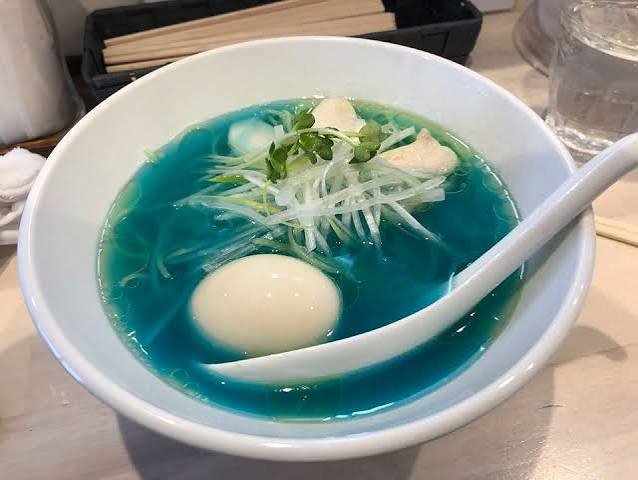
日本某家拉面店的产品,蓝色是最让人没有食欲的颜色。/ A product from a Japanese ramen shop. Blue is probably the most appetite-killing colour there is.
(This was a reference to some bizarre challenge trend that had inexplicably taken off on American TikTok, where people were eating small packets of laundry detergent. According to news reports, several people had even ended up in the hospital. The situation eventually got so bad that supermarkets started locking up those products.)

He took one look at the colour of the drink and refused to touch it, repeatedly insisting that I try it first.

Really bro?
I pursed my lips in exasperation, thinking, Oh, for God's sake. I took a sip first. But the moment I put the glass down, he suddenly decided he was willing to try it after all.
顺便还想起一则河豚笑话,一个日本人在海边垂钓,钓上来一只河豚,因为河豚处理不好很容易留着毒液在鱼肉里导致出事故,所以他处理烹饪完自己也不敢吃,看见旁边有一个流浪汉,就盛了一碗鱼肉送他吃,流浪汉走进附近的山洞里,过不多久日本钓友看他心满意足地抹抹嘴从山洞里走出来,才放心下来开始大快朵颐。结果流浪汉也是盯着他吃完河豚肉,欢呼了一声走进山洞拿出之前放进去的河豚肉开始吃起来。
钓友:……………………………?

在乌普萨拉学车。/ Me learning how to drive in EU in Uppsala. (Will cover it later.
This also reminded me of a pufferfish joke.
A Japanese man was fishing by the sea when he caught a pufferfish. Since pufferfish can be extremely poisonous if not prepared properly, and even a small amount of residual toxin in the flesh can cause serious poisoning, he was too afraid to eat it himself even after cleaning and cooking it.
He spotted a homeless guy nearby, so he served him a bowl of pufferfish and offered it to him. The homeless man took the food and went into a nearby cave.
A little while later, the fisherman saw the man emerge from the cave, looking thoroughly satisfied as he wiped his mouth. Only then did the fisherman feel reassured enough to dig in and enjoy his own meal.
As it turned out, the homeless man had also been watching the fisherman the whole time, waiting for him to finish eating the pufferfish. The moment the fisherman finished, the homeless man cheered, went back into the cave, retrieved the pufferfish he had stashed there earlier, and started eating it himself.
The fisherman: ……………………………?
吃完饭之后和对方提出出门散步消食,结果因为下雨,对方带了伞还很绅士地将伞倾在我这边,结果我因为在东亚社会待久了要和异性保持距离的规训,以及对方有女友要避嫌这一点直接果断地走出了伞外。(你们根本不知道有些亚洲女人为了维护关系能有多狠毒,还是我的小命要紧)
散步回去给母亲打电话尖叫“我生平第一次觉得我不需要当Alpha male!!!而是一个女生!!!”
After dinner, I suggested that we go for a walk to help digest the food. Unfortunately, it was raining, but he had brought an umbrella and tilted it toward my side very gentlemanly to keep me dry. Having spent so much time in East Asian society, where I’d been conditioned to maintain a certain distance from men and given that he had a girlfriend and we needed to avoid any potential misunderstandings, I promptly and decisively stepped right out from under the umbrella.
(You have no idea how vicious some Asian women can be when it comes to protecting their relationships. I'd rather stay alive, thanks.)
After we got back from the walk, I called my mother and screamed:
“FOR THE FIRST TIME IN MY LIFE, I FEEL LIKE I DON'T HAVE TO BE THE ALPHA MALE IN THIS SITUATION!!! I CAN JUST BE A GIRL AS I WANT TO!!!”
只不过散步期间过马路的时候,因为东亚普遍野蛮的交通状况(有在中国大城市的老外表示他们第一次去中国时在路边站了半小时都不敢过马路的情况),以及出于和妹妹以及其他同学朋友出行时的习惯,想要伸手去拉住对方的胳膊让对方注意交通和安全时却突然想起来站在对方断了的锁骨那一侧,又立刻把手伸回来。
That said, while we were out walking, there was a moment when we had to cross the street. Given the generally chaotic and downright savage traffic conditions in East Asia (I’ve heard foreigners living in big Chinese cities say that the first time they visited China, they stood by the roadside for half an hour because they were too scared to cross the street), and out of habit from going out with my younger sister and other classmates and friends, I instinctively reached out my hand try to grab his arm to make sure he paid attention to the traffic and stayed safe.
Then I suddenly remembered that I was standing on the side of his fractured collarbone and then immediately pulled my hand back.
而因为中国的独生子女政策,在国内和自己一样有妹妹或者兄弟姐妹的同龄人属于极少数,所以有时候在我把身边认识的同学当妹妹看待时,她们却受东亚教育体系影响把我当竞争对手看待,或者把我出于关心保护的一些举动曲解为对他们有意思。
Because of China’s one-child policy, people my age back home who have younger sisters or brothers, or any siblings at all, are a relatively rare minority. As a result, sometimes when I treat classmates I’ve gotten to know as if they were my younger sisters, they see me as a competitor instead as the result of Eastern Asian education system. Or they misinterpret my protective, caring gestures as signs that I’m romantically interested in them
My response when someone think I’m gonna touch them romantically🙄, especially delusional girls: “I’d rather sh*t in my hands and clap” (rather than touching you!) (18:41): https://youtu.be/rxr8r2Z_KH0?si=cWxUoP9uI2nYRb7Y
比如大学暑假一次去DC的国家广场看美国独立日的烟花,散场后人流量很大,所以出于和妹妹相处的习惯怕和同学走散了,就去拉其中一个个子较矮不易在人群中识别的手腕,结果对方非常粗暴地将我的手甩开,我回头莫名其妙地看她的时候对方还一脸不悦。后来和认识的人提到这件事模仿对方的行为的时候,所有人都认为她的举动非常粗暴而且伤人。后来才了解到对方在国内上学的时候被男的用油腻地态度未经允许碰过手,因为国内多数学校禁止早恋,在学校被抓到谈恋爱是要被带家长以及受老师惩罚的。我后来想到这缘由后便耸耸肩表示理解尊重不支持,之后但凡和任何人,包括除东亚人之外的人,有任何肢体接触之前都会事先和对方确认“我可不可以碰你”并得到允许后才会去碰对方。除非天冷自己被冻得实在没办法才会情不自禁去挽同行人的胳膊。
For instance, one summer during University, I went to the National Mall in Washington, D.C., to watch the fireworks on the Fourth of July. After the show, the crowds were enormous. Out of habit from being around my younger sister, and worried that I might get separated from my classmates, I reached out to grab the wrist of one of them who was shorter and harder to spot in the crowd.
She violently jerked her hand away from mine. When I turned to look at her in confusion, she still had a visibly displeased expression on her face.
Later, when I brought up the incident with people I knew and mimicked her reaction try to figure out what I did wrong, everyone agreed that her behavior had been unnecessarily aggressive and hurtful.
I only learned afterward that, back when she was attending school in China, a guy had touched her hand without her consent in a sleazy, unwanted way. Since most schools in China prohibit romantic relationships among students, getting caught dating can result in parents being summoned to the school and students being disciplined by their teachers.
Once I learned the context, I simply shrugged and said that I understood and respected her feelings, even if I didn't agree with how she had handled the situation.
Since then, before initiating any physical contact with anyone—including people who aren't East Asian—I make a point of asking, “Is it okay if I touch you?” and waiting for their permission before doing so.
The only exception is when it's so cold that I'm absolutely freezing and instinctively find myself linking arms with the person walking beside me.
在上海才从家里的公寓搬出来时和租我房子的二房东问周围治安环境的时候教育水平不高和人品素质明显不太好的她还一脸戏谑地张口就来:怎么?怕被人入室强奸啊?
后来再去她的住处问租房相关的问题的时候也是莫名其妙介绍她儿子给我认识,也是不知怎么提说他之前也不怎么吃早饭之前还因此得了胆囊炎做了手术。
我:?
When I first moved out of my family’s apartment in Shanghai, I asked the woman subletting the place to me about the safety of the neighborhood. She was clearly lacking in education and basic decency, and she immediately responded in a mocking, almost taunting tone: “What? Are you afraid someone’s going to break into your apartment and rape you?”
Later, when I went to her place again to ask some questions about the rental, she inexplicably decided to introduce me to her son. Somehow, the conversation also veered into how he wasn’t much of a breakfast person and had actually developed cholecystitis as a result, which had required surgery.
Me: ?
不过经常不吃早饭或者缺席一日三餐确实会导致一些健康问题,因为父母甚至爷爷都是学医的,而中国人平时也注重养生,所以就算学业压力繁重,自中学起就要求学生6点半到学校的中国,父亲有时候因为早起起床气骂骂咧咧地也会给我现煮水饺确定我吃完早餐后再送我去上学。不论是在国内还是美国念书的时候都遇到过可能因为父母工作繁忙对他们疏于照顾的同学,发现没有吃早饭的人一般都有因为肠胃道问题导致的口臭,因为这些器官都接连口腔,每次为了证实自己的猜想问他们的时候也说自己平时不怎么吃早饭。所以后来再遇到有口臭的同学自己不会说什么,只是会带一些零食或者点心去给他们作为早饭吃,只是后来学业工作生活压力巨大,也难以有时间和多余的同情心去分给别人。
That said, regularly skipping breakfast or missing meals altogether really can lead to health problems. Both my parents and even my grandfather were trained in medicine, and Chinese people generally place a lot of emphasis on maintaining their health. So even when academic pressure was overwhelming, my father would sometimes grumble and curse under his breath because of his morning grumpiness, yet still get up early to boil dumplings for me and make sure I finished breakfast before driving me to school. This was in China, where students are expected to arrive at school by 6:30 a.m. from middle school onward.
Both in China and during my studies in the United States, I encountered classmates who seemed to have been neglected to some extent because their parents were busy with work. I noticed that people who skipped breakfast often had bad breath caused by gastrointestinal issues, since the digestive tract is connected to the mouth. Whenever I asked these classmates about it to test my hypothesis, they would tell me that they rarely ate breakfast.
So, whenever I later encountered a classmate with bad breath, I would keep my observations to myself and simply bring some snacks or pastries to share with them as breakfast.
But eventually, the pressure of academics, work, and everyday life became so overwhelming that I barely had enough time for myself, let alone the spare time or emotional bandwidth to extend that kind of compassion to other people.
前前后后在校园里或者职场上见过不少因为吃饭起居这种最基本的生活问题自己都不能独立解决而在我一个独闯上海滩的年轻女生面前卖惨哭穷博取同情心的,上海无论哪个街区都有不少24小时便利店和早餐铺,十人民币不到就能买到膳食均衡营养搭配的早饭,也不知道更不能理解他们在我面前哭诉个什么。有的同龄人当时还在念书,他们学校的食堂就有便宜好吃的饭菜,温饱问题解决后不仅会思淫欲,还会无病呻吟,然后时不时地就在社媒上看到他们转发一些黄色漫画,以及对受欢迎男偶像发生意外猝死后还对其发表仇恨嫉妒评论,就因为他们觉得自己996加班很辛苦却没人关心,但转头自己就发表一些对他们喜欢的女偶像的幻想发言,我发一些电影的建筑风景截图配上自己的整体观感和出自电影的台词时还在我社媒的评论区发一些该电影的色情相关内容,居然还会忿忿不平地表示他们为什么无女生喜欢(就这样有女生喜欢就怪了),有的甚至还在我的高中毕业裙装照下面发表一些令人作呕的色情相关发言,而这类男生在他们的长辈比如老师或者家长面前往往却都是装作一副老实乖巧的普通学生模样。
Over the years, both on campus and in the workplace, I’ve encountered quite a few people who couldn’t even manage the most basic aspects of independent living, such as eating regular meals and maintaining a daily routine. Yet they would put on a pitiful act and complain about how pathetic they were in front of me, a young woman who had made her way in Shanghai entirely on her own, hoping to win my sympathy. Every neighbourhood in Shanghai has plenty of 24-hour convenience stores and breakfast shops, where you can get a balanced, nutritious breakfast for less than 10 RMB. I honestly couldn’t understand what they expected me to sympathize with, let alone why they felt the need to come crying and complaining to me about it.
Some of these guys were still in school at the time, and their campus cafeterias served cheap, delicious and warm meals. Once their basic needs were taken care of, they apparently had nothing better to do than indulge in sexual fantasies and manufacture grievances out of thin air.
Every now and then, I’d come across them reposting sexually explicit comics on social media. Some would even leave hateful, jealous comments about a popular male idol who had suddenly died of cardiac arrest, simply because they felt that their own grueling 996 work schedules were exhausting and nobody cared about them. Yet these same guys would turn around and post fantasies about the female idols they fancied.
Note: The “996” work culture refers to a labor practice in China where employees work from 9 a.m. to 9 p.m., six days a week, totaling about 72 hours per week. It is most commonly associated with the tech and startup sectors and is often justified as necessary for rapid growth and competitiveness. However, the system has become highly controversial, as critics argue that it leads to burnout, harms physical and mental health, and violates labor protections, making “996” a widely recognized symbol of overwork in modern Chinese work culture.
Whenever I shared screenshots of a movie’s architecture and scenery, along with my overall impressions of the film and quotes from its dialogue, they would show up in my comment section posting sexually explicit remarks related to the movie.
And then they would have the audacity to complain bitterly about why no women were interested in them. (Honestly, with behavior like that, is it any wonder?)
Some even left disgusting, sexually explicit comments under photos of me wearing a dress at my high school graduation. Yet these same guys would often put on the appearance of perfectly ordinary, well-behaved, obedient students whenever they were around authority figures such as their teachers or parents.
Their behaviours in a nutshell, with and without supervision, typical boy duo behaviour, at least according to my personal observation “Nice to meet you☺️😊”: https://youtu.be/acZgPptGKCw?si=Zt10L7Nu8OqRGecs
念书工作时也见过不少特地把自己已经退休的妈从平静舒适的老家生活里吆过来专门给自己做饭的,有的甚至还让自己的妈从工作请假或者干脆辞了工作来照顾已经成年离家工作的自己。他们就算有空打游戏也不愿学怎样做家务或者做简餐,就算这样了身边的人还要劝我说我当时认识的一些单身中国男性平时没人照顾他们生活起居多可怜啊,你这么能干会做饭就不能和他们相处相处照顾照顾他们么?
我:?我喜欢听妈妈话的,不喜欢多大人了还吸妈妈血的。
During my studies and at work, I’ve met quite a few men who deliberately brought their mothers over from the peaceful, comfortable lives they had settled into back home after retirement, just to cook for them. Some even expected their mothers to take leave from work—or quit their jobs altogether—to look after them while they were already fully grown adults living and working away from home.
Even when they had free time to play video games, they still couldn’t be bothered to learn how to do household chores or prepare simple meals for themselves.
And despite all this, people around me would still try to persuade me by saying, “Aren’t you sorry for those single Chinese men you know? They have no one to take care of their daily needs. You’re so capable, and you know how to cook. Why can’t you spend some time with them and look after them a little?”
Me: “What? I like being someone who listens to his mom, not someone who keeps leeching off his mom well into adulthood.”
吓得我把有此类意愿倾向的男的的联系方式直接通通删了干净,反正当时就是没人想起来给工作繁忙还因为季节变化情绪不好的我带早饭,让我真的搞不懂有的男的为什么觉得他们在我这会有什么择偶权,说起来都是拿工资的中产阶级,问他们就是自己是男的不会做女人的家务事。但我也很讨厌干家务,喜欢做饭但觉得唯一的缺点就是吃完饭后要洗碗和餐具,还开玩笑说既然要找互补的干脆我以后嫁个洗碗机算了。但到了乌普萨拉住进有洗碗机的公寓发现也是要靠自己的人力把脏碗碟放进去才行的,便琢磨着等以后找一个不排斥做家务的对象。在上海时也试过周末的时候在软件上请了打扫阿姨来家里做清洁,有时候阿姨饿着肚子来告诉我还会准备晚饭给她吃,请了两次发现还没我自己偶尔得闲打扫得干净,收费也不便宜,到了家里还要和周末不喜欢与人交流的我拉家常,就再也不请了。在上海工作的时候母亲因为出差也到我的住处看过我一次,但也从未有过想要让工作繁忙的母亲留在上海照看我的想法,只是觉得心存感激。那几天也因为母亲生活上的压力减轻不少,中午母亲还到我的公司的餐厅附近点了一桌子口味清淡鲜美的淮扬菜给我吃,早上上班前还给我编了两条麻花辫送我出门,结果刚到班就被女上司用嫉妒的眼神恶狠狠地盯着看。
我:……………………………您比我大十岁是个经济生活独立三十多岁的成年人,而且我只是你的员工,这都能嫉妒得起来你把你公司的收入全打给我好了,典型的中国独生子女行为。
That scared me so much that I immediately deleted the contact information of every man who showed signs of having that kind of expectation. After all, back then, when I was swamped with work and feeling down because of the seasonal changes, not a single person thought to bring me breakfast. I genuinely couldn’t understand why some men thought they had any kind of romantic leverage over me.
We were all middle-class professionals earning salaries, yet whenever I asked them about it, their excuse was that they were men and therefore didn’t have to do “women’s chores.”
The irony was that I hated doing housework, too. I enjoyed cooking, but my only complaint was that I had to wash all the dishes and utensils afterward. I even joked that if I wanted a partner who complemented me, I might as well marry a dishwasher.
Then I moved to Uppsala and rented an apartment with a dishwasher, only to discover that I still had to use my own two hands to load all the dirty dishes into the machine. That got me thinking that, perhaps in the future, I should look for a partner who didn’t mind doing housework.
When I lived in Shanghai, I also tried hiring a cleaning lady through an app to clean my apartment on weekends. Sometimes she would arrive hungry, and I’d even prepare dinner for her. But after hiring her twice, I realized that she wasn’t even as thorough as I was when I occasionally had time to clean myself, and her rates weren’t cheap either. On top of that, she would insist on making small talk with me, even though I preferred not to socialize with random people on weekends. So I never hired her again.
When I was working in Shanghai, my mother once visited my apartment while she was in the city on a business trip. It never even crossed my mind to ask her to stay in Shanghai to look after me, despite how busy I was with work. I simply felt grateful that she had come to see me.
Having her around took a considerable amount of pressure off my daily life. One afternoon, she even ordered a whole table full of delicious, delicately seasoned Huaiyang dishes at a restaurant near my company for me to enjoy during lunch. Before I left for work one morning, she braided my hair into two plaits and saw me off at the door.
Then I arrived at work, only to be met by my female supervisor glaring at me with undisguised jealousy.
Me: ……………………………You're ten years older than me, financially independent, and a fully grown adult in your thirties. I'm literally just your employee. And you can still get jealous over something like this? At this point, you might as well transfer all your company's revenue to me. Classic only-child behaviour in China.
自己之前去澳门蹦极前为了头发不在高空中散开乱舞,早上还特地在酒店附近搜了发廊让理发师替我编了辫子,现在回想当时公司楼下造型店也有不少,女上司只要从她日均两个小时的午饭时间里抽出十分钟就能请专业造型师编上被她自己嫉妒的麻花辫,也不知道当时她在冲我发什么神经。
有时候觉得中国男的和部分女的是实在好笑的物种,怕上司怕导师怕比自己有钱且气焰嚣张的人甚至还要怕猫怕狗怕动物,英文讲不好,二外不会,就连普通话甚至家乡的方言都说得磕磕巴巴的,唯一不怕的就是平辈或者后辈,但是是绝对不会怕中国女生的,甚至以至于还要变本加厉颐指气使self-entitled气压剥削我们,嘴上讲着要平权装出一副现代人的嘴脸,也是为了更方便压榨我们作为女性的劳动力。和认识的东亚女性也讨论过这个问题,东亚语境下的五五开仅针对双方收入作要求,是现代化女性就要出门工作,有属于自己的经济收入,但家务还是要我们全盘收下做的,我们的收入是要全拿来贴补家用的,让他买盒调料都要念叨半天,小孩也是全由我们负责生养的,他们不会过问生活起居一点下班后只会蹲坐在电脑前玩游戏还要幻想我们把饭做好的端到他们面前,好听的话更不会讲,嘴还会发臭嫌弃饭菜难吃等等。
Sometimes I think Chinese men, along with some women, are genuinely hilarious creatures. They're afraid of their bosses, their academic supervisors, people who are wealthier and more domineering than they are, and apparently even cats, dogs, and other animals. They can't speak English well, don't know a second foreign language, and can barely string together a coherent sentence even in Mandarin or their own hometown dialects. The only people they aren't afraid of are their peers and those younger or junior to them. But Chinese women? Absolutely not. They're never afraid of us. If anything, they become even more domineering, ordering us around with an entitled, self-important attitude and exploiting us even more ruthlessly.
They talk about gender equality and put on the whole act of being modern, progressive men, but in reality, they just use the rhetoric of equality as a more convenient way to exploit women's labour.
I've discussed this with other East Asian women I know, too. In the East Asian context, this so-called 50/50 split only applies to both partners' incomes and financial contributions. A modern woman is expected to go out and work and earn her own money, but somehow, we're still expected to shoulder all the housework. Every penny we earn is supposed to go toward subsidizing the household. Meanwhile, asking him to buy so much as a box of seasoning can earn you a whole lecture.
We're also expected to bear and raise the children entirely on our own. They don't concern themselves with the day-to-day details of family life at all. After work, they just plant themselves in front of their computers and play video games, all the while expecting us to cook dinner and serve it right in front of them. Don't expect any sweet words or basic appreciation, either. Instead, they'll have the nerve to complain that the food tastes terrible, with their mouths practically rotting from all the sh*t they spew.
不过到了乌普萨拉念书后倒是经常赶上学校举办的早餐活动,一边吃早饭一边听课或者进行社交,活动后再去学校上课做实验,非常方便省事,自己也很感激办这些活动的机构和组织,至少以后自己不用因为早上懒困而不想做早饭要攒以后胆囊炎手术的费用了。
因为早上懒困而不想做早饭要攒以后胆囊炎手术的费用了。
However, since coming to Uppsala for my studies, I've often been able to take advantage of the breakfast events organized by the university. I get to eat breakfast while attending a lecture or socializing with others, then head straight to class or the lab afterward. It's incredibly convenient and saves me a lot of time and effort.
I'm genuinely grateful to the organizations and institutions that put these events together. At least now, I don't have to worry that my morning laziness and sleepiness will make me skip breakfast and end up having to save money for future gallbladder surgery instead.
当时在职场上还被另一个男同事接近过,上来就给我看他的收藏的乐高和养的金渐层,不情不愿地看了一组他给我展示他在美国念大学时花父母的钱玩乐高的照片,结果就发现全是一些基本款,一看就是自己没什么偏好又要显示自己是爱消费的普通中产随大流买来充面子用的,也只能叹了一口气假装和他客套几句再和他保持距离,毕竟听过他中午在部门聚餐的时候在饭桌上和上司发表的厌女言论,长相欠佳的他一直对婚姻介绍所给他推荐的对象长相多有怨言,转头来又对我一副嬉皮笑脸的模样。而自己四岁的时候就因为父亲要拜访客户,在买礼物送给高级客户的儿子的时候也会给我买一份一模一样的,就已经开始在玩在当时的中国市场上不算常见的乐高了。后来也不是看到乐高营销什么就买什么,而是出于自己的喜好,用自己赚来的钱买喜欢的主题乐高,甚至还在一个周三因为实在受不了工作上的精神折磨专门请了一天假在家拼《办公室》的主题乐高调整心态。
Back when I was working in the corporate world, another male colleague tried to approach me, too. He immediately started showing me his LEGO collection and his golden-shaded British Shorthair cat. I reluctantly sat through a whole series of photos he showed me of himself playing with LEGO on his parents' dime while attending university in the US. As it turned out, everything he owned was basic, “trendy“, mainstream stuff. It was obvious that he didn't have much of a personal taste of his own and was just following the crowd, buying whatever an ordinary middle-class consumer would buy to show off his spending power and make himself look good.
I could only sigh, pretend to exchange a few pleasantries with him, and then keep my distance. After all, I'd heard the misogynistic remarks he'd made to our boss over lunch at a departmental gathering. He was hardly blessed in the looks department himself, yet he constantly complained about the appearance of the women the matchmaking agency recommended to him. Then he'd turn around and put on this goofy, ingratiating smile whenever he talked to me.
Meanwhile, I'd already been playing with LEGO since I was four. Back then, whenever my father visited clients, he'd buy gifts for their sons, and he'd get me an identical set at the same time. I'd been playing with LEGO since an age when it wasn't even particularly common in the Chinese market.
And as I grew older, I didn't just buy whatever LEGO set the marketing department targeting me to. I bought themed sets I genuinely liked, using money I'd earned myself. I even took a day off work on a Wednesday because I simply couldn't stand the psychological torment of my job anymore, and spent the day at home building The Office LEGO set to get myself back into a better headspace.
因为自己喜欢感受新事物,体验新东西,一次逛超市的时候看到超大颗的蓝莓,觉得很新鲜没见过,就买来尝尝,第二天的时候还带去公司,午饭后和在班的同事们分。后来过万圣节的时候看到自己经常逛的日本超市有糖果卖,也是买来第二天分给在班的所有同事,结果就那么一个中年韩国男经理小心翼翼的接过来,还一脸严肃地用英文“我会带回去给我的妻子和小孩吃。”
我当时听了还觉得对方很顾家。
回去讲给母亲听了母亲立马:“他做tm大头梦!恶心死了!”
这才察觉过来当时对方的反应是什么意思,回想起当时对方的长相,和我父亲相似的年纪,以及木讷的处事态度,只是觉得恶心想吐。
Because I love discovering new things and trying new experiences, one time when I was grocery shopping, I came across some absolutely enormous blueberries. I'd never seen blueberries that big before, so I thought they looked interesting and bought some to try. The next day, I brought them to the office and shared them with my colleagues who were working on site after lunch.
Later, around Halloween, I spotted some candy at the Japanese supermarket I frequently went to. Naturally, I bought some and brought it to the office the next day to share with everyone on shift.
But there was this one middle-aged Korean male senior engineer who took the candy from me ever so cautiously. With a completely serious expression, he said in English, “I'll take these home for my wife and children.”
At the time, I actually thought it was kinda cute that he was such a family-oriented man.
When I went home and told my mother about it, her immediate reaction was, “Who the hell does he think he is?! He's absolutely delusional and disgusting!”
That's when I finally realized what his reaction might have meant. Looking back, considering his appearance, the fact that he was around my father's age, and his rather socially awkward, wooden manner, the whole thing now just makes me feel sick to my stomach.
中文里有一句俗语“说者无意,听着有心”,意思是同一句话,说话者的本意与听话者的理解可能完全不同。有时候说话者可能只是随口一说,没有针对任何人,也没有特别的暗示;但听话者可能因为自身的经历、情绪、处境或对说话者的了解,而认为这句话另有所指,甚至把它放在心上。
There is a Chinese saying: “说者无意,听者有心,” which literally means, “The speaker means nothing by it, but the listener reads something into it.”
It describes how the speaker’s original intention and the listener’s interpretation of the exact same words can be completely different. Sometimes, the speaker is simply making an offhand remark without targeting anyone or implying anything in particular. However, the listener may interpret the remark as having a deeper meaning, or even take it to heart, based on their own experiences, emotions, circumstances, or understanding of the speaker.
这也让我想起来回上海工作前的自己,总是习惯性地把自己喜欢的事物同认识的人分享,却因为在东亚社会不论是在职场还是社交场合,整体氛围等级森严,男女界限分明,再加上自己内向害羞不爱表达的性格,再加上在美国养成的见人就对视微笑和主动打招呼的习惯,总是被对方和周围的人误认为成是对他们有别的意思。记得一次月底,正好连着赶上几个节日,几位家人和认识的人的生日,在频频下单订花束送人的时候顺手给当时被上司言语霸凌(当着全办公室的人的面冲他以“你一个大专生知不知道能被我赏赐在这里工作的机会有多幸运”为主题吼了一个小时左右)的男同事也订了花店里最简单便宜的一束,本意是给情绪低落的他打气,毕竟到目前为止我还没见过有谁(不论男女老少甚至包括死人在内)是不喜欢收到鲜花的,而且当时自己的工作内容也涉及到行政相关内容,与对方也合作过几个项目,觉得自己在工作时间和场合也有凝聚同事的职责。结果当即就被全办公室的人曲解为对他有意思,立即上升到男女关系的层面。当时因为外卖软件经常搞活动,买来的食物吃不掉偶尔就会分他,因为觉得对方肥肥胖胖的而且已经有对象不需要再进行外貌维护,而对方也真的不在意不客气地接过去吃,大概后来也算是被当作对他有意思的证据。周末被同事硬叫出来聚餐吃自己不喜欢吃的辣味火锅,也被阴阳怪气地安排坐到和从外地来给他过生日看他的女朋友的对面,只是幸运的是自己在感情问题上一直相当迟钝,当时还因为觉得他女朋友挺漂亮多看了两眼,期间下楼去厝内小眷村买了杯自己喜欢的甜豆腐奶茶后就一直边喝边坑着头刷手机,火锅也没吃两口,完全没领会到内心戏丰富的阴暗同事们此举的意思。一直到晚上对方给我发“我女朋友让我谢谢你送的花”才瞬间脑子嗡嗡得反应过来,回想了一下当天下午坐在隔壁桌的同事们也一直频频看我观察我的反应,只是顿时觉得反胃恶心。
This also reminds me of who I was before returning to Shanghai for work. I was always in the habit of sharing things I liked with people I knew. But in East Asian society, whether in the workplace or in social settings, the overall atmosphere is so rigidly hierarchical, with such clearly defined boundaries between men and women. Add to that my naturally introverted, shy personality and my tendency not to express myself much, along with the habit I picked up in the US of making eye contact, smiling, and greeting people proactively whenever I encountered them, and I was constantly being mistaken by the other person and everyone around us as having some ulterior romantic interest in them.
I remember one time toward the end of the month when several holidays happened to coincide with the birthdays of family members and people I knew. I was placing order after order for flower bouquets to send to people, and on a whim, I also ordered the simplest, cheapest bouquet from the flower shop for a male colleague who was being verbally bullied by our boss at the time. In front of the entire office, our boss had spent roughly an hour yelling at him, essentially berating him with remarks along the lines of, “Do you, a mere vocational college graduate, even realize how lucky you are that I've deigned to give you the opportunity to work here?”
My intention was simply to cheer him up, since he was clearly feeling down. After all, to this day, I haven't met anyone—regardless of gender or age, or even including the dead—who doesn't like receiving flowers. Besides, some of my job responsibilities at the time involved administrative work, and I'd collaborated with him on several projects. I felt that, during working hours and in a professional setting, I also had a responsibility to foster team cohesion.
Instead, the entire office immediately misconstrued the gesture as evidence that I was interested in him, turning it straight into a matter of romantic involvement between a man and a woman.
Back then, the delivery apps were constantly running promotions, so occasionally I'd end up with more food than I could eat and share some with him. I thought he was a chubby guy who already had a partner and therefore didn't need to worry much about maintaining his appearance. He genuinely didn't seem to mind and would accept the food without any hesitation or formality. Apparently, that too was later treated as evidence that I was interested in him.
One weekend, my colleagues practically forced me to come out for a group dinner at a spicy hot pot restaurant, even though I don't like spicy food. They then made a passive-aggressive point of seating me directly across from his girlfriend, who had travelled from another city to celebrate his birthday with him.
Fortunately, I've always been remarkably oblivious when it comes to romantic matters. At the time, I even found his girlfriend quite attractive and caught myself looking at her a couple of extra times. At some point during the meal, I went downstairs to Cuo Nei Xiao Juan Cun to buy myself a cup of the sweet tofu milk tea I liked. After that, I just sat there with my head down, sipping my drink and scrolling through my phone. I barely touched the hot pot and completely failed to pick up on whatever elaborate, sinister little drama my colleagues had concocted in their heads.
It wasn't until that evening, when the guy messaged me saying, “My girlfriend asked me to thank you for the flowers you sent,” that everything suddenly clicked, and my head started spinning as I realized what had been going on. Looking back, I remembered how the colleagues seated at the table next to us that afternoon had kept glancing over at me, watching my reactions.
The realization made my stomach turn. I felt absolutely disgusted.
东亚社会配姻缘最讲究的就是“门当户对”,主要强调步入婚姻的双方家庭出身相近,经济实力相当,社会阶层一致,但放在现代的语境中这个词的含义不再着重强调双方家庭的经济条件,而是看重双方自身的教育背景是否相近,收入与生活方式是否匹配, 以及价值观、认知层级是否接近。年少时涉世不深,对人际交往以及个人情感不算了解,看电影电视剧里轰轰烈烈阶层不对的的爱情总是觉得热闹的,毕竟也算是看《泰坦尼克号》看到流泪,但也不曾羡慕过,毕竟电影是电影,虽然能隐射部分现实,但多数时候是以满足人的幻想而存在的,而不会有哪位贵族小姐会真的嫁给混迹妓院还无家可归的流浪汉的,长得再好看也没用,她的家人也不会同意,所处阶层的差异不同在日常相处后就会逐渐暴露出来,也看到过说《革命之路》大概就是《泰坦尼克号》中的杰克没有死而是到了美国和露丝开启新生活的结局,个人也认为这还算最优解之一,因为杰克的出身和眼界大概率是不会让他有能力成为中产并负担得起相应的生活的,人和人刚认识的时候就是会因为新鲜感而礼貌又热情,虚伪而亲切,再加上男女关系因为荷尔蒙的影响,短暂激情之后总是要面对生活中现实存在并需要解决的问题的。就像Justice Carradine在Necessary Evil里的那句歌词一样,很多人在一开始相爱时并没有将家境身份以及学历背景以及兴趣爱好等等现实因素纳入考虑范围内,而最终分手也是因为“Just two people who fell in and out of lust and called it love”罢了。
有点受不了你们这帮富二代(¬_¬") (不过虽然抓马这句话还是有些道理的“没有物质的爱情就是一盘沙,都不用风吹,走两步路就散了”)/ I seriously can't deal with you rich kids sometimes (¬_¬") (But as dramatic as it sounds, there's still some truth to this saying: "Love without financial security is like a pile of sand. You don't even need the wind to blow; it'll fall apart after just a couple of steps." they were saying mandarin with a Taiwanese accent in this clip btw) : https://youtu.be/u6ROwt_oiwY?si=shmT1hrrC1pvUwNP
In East Asian societies, the concept that matters most when it comes to matching people for marriage is men dang hu dui (门当户对), or being “well-matched in family background and social standing.” Traditionally, it emphasizes that the two families entering into a marriage should come from similar backgrounds, have comparable financial resources, and occupy the same social class. In a modern context, however, the term no longer focuses as heavily on the financial circumstances of the two families. Instead, it places greater emphasis on whether the individuals themselves have similar educational backgrounds, compatible incomes and lifestyles, and comparable values and levels of understanding.
When I was younger and had little experience of the world, I didn't understand human relationships or romantic feelings particularly well. Watching movies and TV dramas about passionate romances that crossed class boundaries always seemed exciting. After all, I was moved to tears watching Titanic, too. But I never actually envied those kinds of relationships. Movies are movies. While they can reflect certain aspects of reality, more often than not, they exist to fulfill people's fantasies. In real life, no aristocratic woman is going to marry a homeless drifter who hangs around brothels, no matter how handsome he might be. Her family wouldn't agree to it, either. The differences between their social backgrounds would gradually become apparent in their day-to-day interactions.
I've also seen people suggest that Revolutionary Road is essentially an alternative ending to Titanic: Jack survives, makes it to America, and starts a new life with Rose. Personally, I think that would be one of the more realistic outcomes, too. Given Jack's upbringing and limited exposure to the world, he would probably struggle to acquire the skills, opportunities, and social capital needed to enter the middle class and afford the lifestyle that comes with it.
When people first meet, novelty naturally makes them polite, warm, and enthusiastic toward each other. They can be superficially affectionate and friendly, even somewhat insincere. And when it comes to relationships between men and women, the influence of hormones can make those initial encounters even more intense. But once that brief period of passion fades, people inevitably have to confront the real, practical problems of everyday life and figure out how to resolve them.
As Justice Carradine sings in Necessary Evil, many people fall in love without ever considering the practical realities of their respective family backgrounds, social status, educational histories, or even their interests and hobbies. And in the end, they break up for precisely those reasons. They were, after all, “Just two people who fell in and out of lust and called it love.”
但也发现自己在看电影时格外能和有钱人家大小姐一类的角色共情,比如《泰坦尼克号》里的鲁斯,《了不起的盖茨比》中的黛西。因为父亲做生意的关系,经常需要同不同层次的人来往打交道,有时候遇到高级别的客户甚至还要带上我和母亲一起去饭局,而母亲医学教授的身份也让父亲在饭局上格外有面子,而且有完整和谐的家庭也让他的客户对他的工作能力和处事态度多有放心,愿意给高额订单给他做。但偶尔也会遇上层次不是那么高的客户,饭局开始前会在包厢里抽烟打扑克,我当时被乌烟瘴气的氛围搞得实在喘不过气来,焦虑症当场发作直接跑出了包厢。
I've also noticed that, when watching movies, I tend to empathize particularly strongly with characters who are wealthy young women, like Rose in Titanic and Daisy in The Great Gatsby.
Because of my father's business, he often had to interact with people from different social strata. Sometimes, when he was meeting particularly high-level clients, he'd even bring my mother and me along to business dinners. My mother's position as a medical professor also gave my father considerable prestige at these gatherings. On top of that, having a stable, harmonious family made his clients feel more confident in his professional abilities and the way he conducted business, making them more willing to entrust him with high-value contracts.
Occasionally, though, we'd encounter clients who were a little less refined. Before the dinner even began, they'd be smoking and playing poker in the private dining room. The smoky, suffocating atmosphere became so unbearable that I genuinely couldn't breathe. My anxiety kicked in right there and then, and I ran straight out of the room.
Literally me: https://youtu.be/U_W5PZqweIM?si=qbjGACyt2e8hdFvF
::>_<:: :https://youtu.be/iLjJj52R2Fc?si=Dq971lAb3EpPYO_W
以及回国时被父母亲介绍对象,我对自己文化语境里的男的十分了解,再加上父亲和姑妈一开始就骗我说是“普通家庭聚会”结果到了餐馆才发现对面坐了他生意上有往来的熟人的一家子,自己也反应过来父亲和姑妈的本意,饭局开始前心里就有些不快和不满,所以也不可能对一开始就以谎言开场对我的对方一家有任何好感。客观来讲对方在东亚社会算是符合大众主流审美的好看类型,然后就听对方的父亲假装不经意地提他儿子在澳大利亚念本科的经历,高中就去美国念本科的我当场在心里就窃笑说“哦二等女人啊“。又因为经常在新闻上看到男性家暴女性的新闻,所以在和男性打交道的时候总爱稍微试探性地激怒一下对方看对方生气的时候会是什么反应的。在有限的时间看对方对他的父亲和父亲的职业很是看重以及尊敬,就笑着说了一句可这个产业就快要不行了哦,结果对方没有冷静理性地和我摆事实讲道理,反而当场被激怒开始谴责并辩驳。我继续笑笑不说话,心里却给他打了个叉低头吃自己的海鲜。
When I returned to China, my parents also tried to set me up with potential partners. I know men from my own cultural background all too well. To make matters worse, my father and aunt had initially lied to me, telling me it was just an ordinary family gathering. It wasn't until we arrived at the restaurant that I realized the family sitting across from us belonged to an acquaintance of my father's with whom he had business dealings. By then, I'd figured out what my father and aunt had really intended all along. I was already feeling annoyed and resentful before dinner even began, so there was no way I was going to feel any goodwill toward a family whose very first interaction with me had started with a lie.
Objectively speaking, the guy was conventionally attractive by East Asian beauty standards. Then I heard his father casually, and rather transparently, bring up his son's undergraduate studies in Australia, as though it were just an incidental detail. Having gone to the US for my undergraduate studies back in high school, I immediately snickered to myself: “Oh, a second-tier woman, huh?”
I'd also seen so many news stories about men abusing women that, when interacting with men, I developed a habit of occasionally provoking them just a little to see how they reacted when they got angry. During the limited time I spent with him, I noticed how much he valued and respected his father and his father's profession. So I smiled and casually remarked, “But this industry is about to go under, isn't it?”
Instead of calmly responding with facts and reasoning, he got visibly riled up on the spot and immediately launched into a defensive tirade, criticizing my comment and arguing against it. I just smiled and said nothing more. In my mind, though, I'd already crossed him off the list and lowered my head to continue eating my share of seafood.
😮💨: https://youtu.be/Xf0spVVpvOc?si=a0rvRV4r9VslSXZE
后来在上海工作中午吃饭时,因为韩国部门经理问男同事最近的相亲经历,对方抱怨完了又转头问我的感情状况,我直接把这段经历分享出来作为自己在部门午餐谈话的发言,结果韩国部门经理听了一脸不悦还有些阴阳怪气地说“没想到Lettie你还挺受欢迎啊。”
我:?不是你问我所以我才作答的
Later, while I was working in Shanghai, the Korean department manager asked a male colleague about his recent experience with blind dates over lunch. After the guy finished complaining about his dating experiences, the manager turned to me and asked about my relationship status.
I simply shared the story about that blind date as my contribution to the department's lunchtime conversation. But the Korean manager looked visibly displeased and made a rather passive-aggressive remark: “I didn't realize you were quite popular huh, Lettie.”
Me: ? You were the one who asked me, and I only answered your question?
自己长大成人步入社会一段时间后,也逐渐意识到东亚社会中约定俗成的价值观存在的意义,“门当户对”这一点甚至可以扩展到交友,发展普通人际关系上。回看这位男同事与他的女友倒也是般配,两人都是大专学历,平时得闲也是出门逛街吃喝玩乐作消遣,没什么更高精神层次上的追求。平时在工作上遇到问题也经常一副嬉皮笑脸的样子,动不动就把“世上无难事,只要肯放弃”挂在嘴边。当时同情他也是因为公司的上级给他接连安排夜班的工作,只让他休息了半天还是一天就要求他来正常上班。除了他整体偏微消极的工作态度外,觉得一些他在工作上的错误也是因为休息不足导致的,而且觉得上司处理这种事情的态度非常欠妥当。毕竟他自持是受过西方高等教育的“知识分子”,却在遇到管理问题时直接选择辱骂对方的出身和学历,不去思考问题的成因以及关心自己的员工, 而选择了这种最极端而且低级的方式,只觉得令人反胃。结果就是那段时间公司不断有人离职,包括我自己在内,彻底断联之前也是不忘给对方奉上一句:“你妈就是个保洁”看对方脸色发青的。
After spending some time as an adult navigating the working world, I've gradually come to understand why certain conventional values in East Asian society exist in the first place. The idea of men dang hu dui (门当户对), or being well-matched in background and social standing, can even extend beyond marriage to friendships and ordinary interpersonal relationships.
Looking back, that male colleague and his girlfriend were actually quite well-matched. Both had vocational level degrees, and in their spare time, they enjoyed going shopping, eating out, and generally entertaining themselves. Neither seemed to have any particular aspirations beyond these everyday pleasures or any deeper intellectual or spiritual pursuits. Whenever problems came up at work, he would often wear this stupid, insouciant smile and trot out his favourite saying: “Nothing is impossible if you're willing to give up.”
The reason I felt sorry for him back then was that management kept assigning him consecutive night shifts, then gave him only half a day or perhaps one full day to rest before expecting him to return to his regular duties. Setting aside his generally somewhat lackadaisical attitude toward work, I also felt that some of his mistakes were likely caused by insufficient rest, and that the way our boss handled the situation was entirely inappropriate.
After all, my male supervisor prided himself on being an “intellectual” with a Western higher education. Yet when confronted with a management problem, instead of examining its underlying causes or showing concern for his employees, he chose to insult the employee's family background and educational qualifications outright. He resorted to the most extreme and lowbrow approach imaginable. I found the whole thing absolutely repulsive.
As a result, people kept leaving the company during that period, myself included. Even when I finally cut off all contact with the male supervisor, I made sure to leave him with one parting remark: “Your mother is a janitor.” I still remember watching the colour drain from his face.
不过自己最后也因为不堪同事捕风捉影的揣测和包含恶意的暗示,开始直接摆明了说:他?一个大专生?就以这副长相和出身?我看得上?你们搞清楚我是从高中起就在美国念的诶?他算哪里来的废品垃圾啊?是我爱做慈善罢了,请摆清自己的位置!
Eventually, though, I got so fed up with my colleagues' baseless speculation and malicious insinuations that I started making my position absolutely clear to their faces.
“Him? A vocational program degree holder? With that face and that background? You seriously think I'd be interested in him? Have you people all lost your minds and forgotten that I've been studying in the US since high school? What kind of worthless trash is he supposed to be? I'm just doing charity work, for f*ck's sake. Know your place!”
所以说到头来,正是他们恶意解读我出于友善的行为举止,以及无端造谣我在“欲擒故纵”的说法,把我逼成了我最不愿成为、也最厌恶的那种,拿家境和出身去给对方分门别类并区别对待的人。
So, in the end, it was their malicious interpretations of my friendly gestures and their baseless rumors that I was deliberately playing hard to get that pushed me into becoming exactly the kind of person I had never wanted to be and despised the most: someone who judges people by their family background and social origins, categorizing them accordingly and treating them differently.
不过自己也发现,因为出身不同成长环境不同,在中产及以上的阶层中,因为大家都默认经济水平差不多,资源分配也算充足,平时都喜欢讲漂亮好听的话,待人接物都是客气的,但这在“无事献殷勤非奸即盗”,需要争夺资源互相挤踩才能获得些许资源的底层人眼里,这种标准制式化根本完全没有什么情感投入的礼貌客套反倒成了对他们有意思感兴趣的证据,令我至今都觉得不可思议甚至觉得可笑。
I've also come to realize that differences in family background and upbringing can shape how people interpret social interactions. Among the middle class and above, where people generally assume that everyone has a relatively similar level of financial security and adequate access to resources, it's common to exchange pleasant words, be courteous, and treat others with politeness.
But to people from more disadvantaged backgrounds, where the prevailing mindset is that “no one offers kindness without an ulterior motive” and where they have to compete and step on one another just to secure even a small share of limited resources, this kind of standardized, formulaic politeness—with absolutely no emotional investment behind it—somehow becomes evidence that you're romantically interested in them.
I still find this utterly baffling, and, frankly, almost laughable.
后来和母亲聊天聊到这件事的时候也说其实当时直接跟他说再以这种态度应对工作就扣他工资,像他这种人跟他说什么工作发展前景,事业规划完全浪费口舌,这种人给他一个长得不算丑的对象和一份差不多的薪水就能让他安心过大半辈子,和他做沟通的时候主打一个“实惠”就行了,和实惠的对象住实惠的房子拿实惠的薪水过实惠的人生,拿高等学位和社会地位敦促妄想他上进,到最后只能算自取其辱。我这不是刻薄,毕竟有个词叫“残酷的真相”,毕竟我拿不属于他同阶层的态度对待他最后我自己落得个什么下场大家也都看到了。
Later, when I was talking to my mother about the whole incident, we agreed that I should have simply told him that if he continued approaching his work with that attitude, his pay would be docked. Talking to someone like him about career prospects and professional development plans is a complete waste of breath.
Give a man like that a partner who isn't particularly unattractive and a reasonably decent salary, and he'll be perfectly content to coast through most of his life. When communicating with him, the key is to focus on what is no-frills and materially worthwhile. A no-frills partner, a no-frills home, a no-frills salary, and a no-frills life—that's all he needs.
Trying to motivate someone like that to improve himself by appealing to higher education or social status is just deluding yourself. In the end, you'd only be humiliating yourself by expecting him to aspire to anything more.
I am not being harsh when there's a term called harsh truth. After all, everyone saw what happened to me in the end when I treated him with an attitude that was above his social standing.
当时但凡到了周末就被同事以各种理由叫出来自费团建,倒不是因为他们真的想和同事们制造回忆增进感情,而是作为主要发起者的两个人,一位盲目跟风炒股自己的钱财都在股市被套牢了,吃饭都要靠向单位的下级同事借钱,几乎每次午饭时间但凡听到他张口讲话不是在理直气壮地借钱就是要求延期还钱的时间;另一位因为要靠自己的收入管着初创公司平日里大部分的开销,到了每月初公司拨给她报销的钱才到账上。两位又靠着自己在公司作为前辈的资历压其他人陪他们出去吃饭,主要目的也是想要多些人给他们分担他们自己馋但单人或双人又负担不起的餐食,聚餐时还会暗中施压让孕妇吃看上去也不知道煮熟没有的鸭血。我平时工作日下班一个人路上绕路买杯奶茶再乘地铁回家花销不超过五十人民币,耗时不超过半小时,工作中产生的疲惫负面的情绪也得到了舒展消解。周末看展逛书店,去市郊的河上划皮划艇,吃顿中档价位的日料或西餐算上交通费最多也不过三百出头的开销,精神世界也得到了充盈。而硬着头皮和他们出去吃饭唱K每次花销是比自己一个人出门还要多的,而且还要忍受自己不喜欢的环境,食物以及人际交往模式,结束后自己回家还要一个人花更多的时间调整心态,好应付工作日里同一帮人给自己带来的情绪上的鸡零狗碎。后来也不想再装下去,在钱在股市套牢的对方态度戏谑地和我讲话并给我取带有侮辱意味的绰号的时候也会给对方按照他两颗门牙间旷阔的牙缝给他取“摩西分红海”的绰号回敬回去。
Back then, whenever the weekend rolled around, my colleagues would find all sorts of excuses to drag me out to company get-togethers at our own expense. It wasn't because they genuinely wanted to make memories with their colleagues or build closer relationships. The two main people organizing these outings had very different financial problems.
One was a stock-market speculator who blindly followed the crowd and got all his money trapped in the stock market. He had to borrow money from junior colleagues at the company just to pay for meals. Almost every time he opened his mouth during lunch, he was either brazenly asking someone for a loan or demanding an extension on the deadline for paying back money he already owed.
The other had to cover most of her startup's day-to-day expenses out of her own income, and the money the company allocated to reimburse her expenses wouldn't arrive in her account until the beginning of each month.
Both of them leveraged their seniority at the company to pressure other people into accompanying them to meals. Their main objective was to get more people to share the cost of food they personally craved but couldn't afford to pay for on their own even with a discount. During these gatherings, they would also apply subtle pressure on a pregnant female colleague to eat duck blood that didn't even look as though it had been properly cooked.
On an ordinary workday, I could stop somewhere on my way home, take a small detour to buy myself a cup of milk tea, and then catch the subway home. The entire outing cost no more than 50 yuan and took less than half an hour. It was enough to help me unwind and shake off the exhaustion and negative emotions accumulated at work.
On weekends, I could visit art exhibitions and bookstores, go kayaking on a river in the suburbs, or enjoy a mid-range Japanese or Western meal. Even including transportation, the total cost would rarely exceed a little over 300 yuan. These activities also enriched my inner world and gave me something meaningful to look forward to.
By contrast, forcing myself to go out for meals and karaoke with those colleagues cost more than going out alone. On top of that, I had to put up with environments, food, and social dynamics I disliked. After returning home, I would have to spend even more time alone recovering emotionally, just so I could deal with the same people and all the petty emotional bullsh*t they brought into my working week.
Eventually, I stopped pretending to be nice to them. When the colleague whose money was tied up in the stock market started speaking to me in a mocking tone and giving me insulting nicknames, I began giving as good as I got. Looking at the enormous gap between his two front teeth, I came up with the nickname "Moses Parting the Red Sea" and threw it right back at him.
注:孕妇食用鸭血的潜在风险包括:鸭血若未完全煮熟,可能含有细菌或寄生虫导致食物中毒;高嘌呤可能加重痛风或肾脏负担;部分加工品含有防腐剂或色素,长期或大量摄入可能影响健康。
Note: Potential risks of consuming duck blood during pregnancy include food poisoning caused by bacteria or parasites if the duck blood is not thoroughly cooked; its high purine content, which may aggravate gout or increase the burden on the kidneys; and preservatives or artificial colouring agents found in some processed products, which may affect health if consumed in large quantities or over an extended period.
不过也有一次聚餐不是自费,而是公司楼下附近的一家印度餐馆开业,男上司找了一个大家都有空的午餐时间让大家去那吃他请客,之前公司管理层去那家餐馆吃饭的时候正好在电梯里偶遇上我,想请我一同去但被我回绝了。因为在具有高度多元性的美国接触过不同文化以及国家的食物,虽然说自己平时不怎么挑食,饮食习惯上个人也有个人的偏好。在尝试不怎么熟悉的国家的食物或者饮食文化的时候,自己也喜欢从甜品或者零食入手,平时除了西餐中餐外的其他菜系也不会轻易尝试主食,尤其是腥膻味难以去除的鸭肉,自己还一度表示过只会吃中餐和法餐里的鸭肉主食。但因为不论是在哪个国家,零嘴这种东西都是有产阶级茶余饭后的消遣物,和拿来充饥,主要依靠当地气候土壤条件产出的农产品,且多数烹饪工序简单省事的主食不同,被口味挑剔的有钱人拿来当消遣甚至身份象征的点心零食自然也不会难吃到哪里去。就比如饮食结构相对简单的北欧国家以及德国,点心做得却是一家比一家好吃的,但各国饮食文化中的油糖碳水的混合物也从来没有什么特别难吃的就是了。就比如自己从小爱吃的绿豆糕,在中国古代就算有钱人家太太小姐的下午茶点心的选择之一,制作工序复杂,价格昂贵,是要用近一下午的时间边和同座的人聊天边就着一盏茶细细地抿着吃完的,普通人家要忙着做女工甚至下地劳动的普通女性平时是没有这个闲工夫更没这个闲钱去买绿豆糕就茶吃的。
There was, however, one company gathering that didn't require us to pay out of pocket. An Indian restaurant had opened near the office, and my male manager found a lunchtime when everyone was available and invited the whole team to eat there on the company's tab. On an earlier occasion, the management team had gone to the same restaurant for a meal and happened to run into me in the elevator. They invited me to join them, but I turned them down.
Having lived in the culturally diverse United States, I'd been exposed to food from many different countries and cultures. Although I generally consider myself an easygoing eater who isn't particularly picky, everyone still has their own preferences when it comes to food.
When trying the cuisine or food culture of a country I'm unfamiliar with, I prefer to start with desserts or snacks. Outside of Chinese and Western cuisine, I'm also reluctant to experiment with unfamiliar main courses. Duck is a particularly good example, since its gamey smell can be difficult to eliminate. At one point, I even said that I'd only eat duck as a main course in Chinese or French cuisine.
My reasoning is that, regardless of the country, snacks and treats have historically been a form of leisure enjoyed by the affluent over tea or after meals. Unlike staple foods, which are intended to fill people's stomachs and rely largely on agricultural products grown under local climatic and soil conditions, with most preparation methods designed to be relatively simple and convenient, pastries and snacks are often made for pleasure. They have traditionally been enjoyed by people wealthy enough to indulge their refined tastes, and have sometimes even served as status symbols. Naturally, these treats are rarely going to taste terrible.
Take the Nordic countries and Germany, for example. Their everyday diets may be relatively simple, yet their pastries and desserts can be exceptionally delicious. Then again, it's hard to think of a combination of fat, sugar, and carbohydrates in the form of a traditional treat from any country's food culture that is genuinely unpleasant to eat.
Take mung bean cakes, which I've loved since childhood, as an example. In ancient China, these were among the refreshments that wealthy ladies might enjoy during afternoon tea. They were expensive and labor-intensive to make, and were meant to be savored slowly over a cup of tea, while chatting with the people seated alongside you for the better part of an afternoon.
Ordinary women, by contrast, had to spend their days sewing, doing other domestic work, or laboring in the fields. They simply didn't have the time, let alone the disposable income, to buy mung bean cakes and leisurely enjoy them with tea.
结果第二次是被当时在做同一个项目的两个男同事用平辈压力带过去的,结果入座后用手机刷了桌上的二维码看菜单就知道不妙。中国因为和印度之间有一座喜马拉雅山隔着,除了宗教信仰外,饮食文化风俗习惯简直是天差地别,哪怕是在对不同文化以及饮食习惯包容度高的上海,思想先进开放的年轻一代也更喜欢吃牛排西餐和寿司日料或是东南亚菜式,而当时中国互联网上有一位常驻印度的中国“美食”博主,在打卡印度街头各种卫生条件和卖相都有些堪忧的小吃时,在短视频开头总要戏谑地讲一句“干净又卫生啊!”不过也能看出来店家为了让食客更容易接受印度菜做出了不少改良和努力。但因为自己当时反感男上司,完全不想吃他花钱请的饭,而个人习惯是与自己没任何好感的人总是把钱算得相当清楚,做到绝对不欠任何人情和钱财,仅维持表面的和气,好方便自己以后不被对方用道德金钱绑架的同时能从自己一开始就不认可的人际关系中及时且干脆地脱身,所以在其他所有人都点了午餐套餐时,自己则点了一道菜单上最简单便宜的主食炖猪肉,同座的实习生问我怎么不和他们点一样的饭菜时也是回答没胃口,或者说最近在控制饮食。不过后来等菜上桌的时候就发现是以日式定食的形式出现的,还和日料一样摆在日式定食的漆制餐盒里,似乎也是为了让偏好日料的上海当地食客更容易接受尝试。男上司女上司也只是在鼓动没有留学背景的同事多和印度裔餐馆老板多沟通练英文口语后就结账走人了。结果公司管理层前脚刚走后脚所有点了午餐套餐的人就开始抱怨饭菜难吃,因为中国人平时作为主食吃的米饭属于中短粒米,口感扎实甜糯,而印度饮食中用的米属于长粒米,口感松散平淡,吃得当时在座的所有同事都直呼恶心。西班牙海鲜饭中用的圆粒米口感与两者都不一样,而且煮海鲜饭还讲究不能将米饭完全煮熟,煮个八九分熟以保留一些生米酥脆的口感,搞得我每次在国内煮海鲜饭给家人吃的时候总还被不习惯生米口感的亲戚质疑自己厨艺不精,做夹生饭给他们吃。自己当时就着瓶可乐吃炖猪肉倒也没觉得怎么难吃,只不过后来到了乌普萨拉和同为国际国际生的同学交流时发现自己当时点来吃的炖猪肉不能算是正宗印度菜,而是葡国菜,因为印度一些地区也被葡萄牙殖民过。
The second time I ended up at that restaurant, it was because two male colleagues who were working on the same project as me at the time pressured me into going along with them. Once I sat down and scanned the QR code on the table to view the menu on my phone, I immediately knew I was in a difficult situation.
China and India are separated by the Himalayas, and apart from their religious beliefs, their food cultures, customs, and everyday habits are worlds apart. Even in Shanghai, a city known for being relatively tolerant of different cultures and dietary preferences, younger generations with more progressive and open-minded attitudes tend to prefer Western food such as steak, Japanese cuisine such as sushi, or Southeast Asian dishes such as Thai or Vietnamese food.
Back then, there was a Chinese food vlogger based in India who was well known on Chinese social media. Whenever he visited Indian street-food stalls with questionable hygiene standards and rather unappetizing-looking food, he would jokingly open his short videos with the line, "Clean and hygienic!" The sarcasm was obvious. That said, you could also see that restaurant owners had made considerable efforts to adapt Indian cuisine and make it more accessible to diners who weren't accustomed to it.
However, I already disliked my male manager at the time and had absolutely no desire to eat a meal paid for by him. Personally, whenever I have no positive feelings toward someone, I make a point of keeping a very clear account of every financial obligation. I make absolutely sure that I owe them neither money nor favors. I maintain nothing more than superficial civility, so that the other person cannot later use moral pressure or financial obligations to manipulate me, and so that I can leave a relationship I never wanted in the first place quickly and decisively.
So while everyone else ordered the lunch set, I chose the simplest and cheapest staple dish on the menu: stewed pork. When an intern sitting at the same table asked why I hadn't ordered the same food as everyone else, I simply said I wasn't hungry—or, alternatively, that I was on a diet.
(˶ᵔ ᵕ ᵔ˶): https://youtu.be/CiS9SSbhf9A?si=qVg0Gn-IZNpDrbV2
Later, when the food arrived, I discovered that the dish had actually been presented as a Japanese-style set meal, served in a lacquered Japanese bento tray much like those used in Japanese restaurants. It seemed that the restaurant had adapted its presentation to make the food more appealing and approachable to local Shanghai diners, who generally preferred Japanese cuisine.
My male and female managers only stayed long enough to encourage colleagues without overseas study experience to talk more with the Indian restaurant owner and practice their spoken English. Then they paid the bill and left.
The moment management had walked out the door, everyone who had ordered the lunch set began complaining that the food tasted terrible.
The reason was that the rice Chinese people typically eat as a staple is short- to medium-grain rice, with a relatively firm, sweet, and sticky texture. The rice commonly used in Indian cuisine, by contrast, is long-grain rice, which is looser and more neutral in flavor. Everyone sitting at the table was practically recoiling in disgust.
The round-grain rice used in Spanish seafood paella has a texture different from both. What's more, paella is traditionally prepared so that the rice isn't cooked all the way through; it's left about 80–90 percent cooked to preserve a slightly firm, almost crunchy bite in the grains. Whenever I made paella for my family back in China, relatives who weren't accustomed to that texture would question my cooking skills, accusing me of serving them undercooked rice.
As for me, I ate my stewed pork with a bottle of Coke and didn't find it particularly terrible. It was only later, after moving to Uppsala and discussing food with fellow international students, that I discovered the stewed pork I'd ordered wasn't actually an authentic Indian dish. It was Portuguese cuisine, which made sense because some parts of India had also been colonized by Portugal.
但地理本就不太好的美国人是不怎么愿意区分亚洲人的,作为模范少数群体,酷爱内卷,性格保守老实的中产以及上亚洲人也似乎爱抱团住在临近的社区里。每次去在美国北加州的亲戚拜访出门时也发现当地的居民也以东亚裔和印度裔为主,当地白人都很少见,和家人开玩笑说有时候去北加过节感觉和回国或者去香港玩没什么区别,都没什么陌生族裔的面孔,还因为当地的和自己近似的饮食习惯把自己吃得有些发胖。当时向大伯问询了一下还发现当地的空房入住率高达98%-99.5%,表亲入读的中学以及高中忘了是在整个加州还是全国排名第二,每年考进常春藤的学生一抓一大把,考进排名前50的大U在当地都不能算是绩优生。
Americans, who aren't exactly known for their geographical knowledge, don't tend to be particularly interested in distinguishing between different Asian ethnicities. As a model minority, Asians are often stereotyped as fiercely competitive, conservative, well-behaved, and middle-class, and many Asian Americans also seem to enjoy clustering together in neighbourhoods close to one another.
Whenever I visited relatives in Northern California, I'd notice that the local population was predominantly East Asian and Indian, with relatively few white residents around. I'd joke with my family that spending the holidays in Northern California sometimes felt no different from going back to China or visiting Hong Kong. There were hardly any faces from ethnic groups unfamiliar to me. The local food was also so similar to what I was used to that I ended up eating enough to put on a little weight.
I once asked my uncle about the local housing situation and learned that the occupancy rate of available homes in the area was supposedly as high as 98–99.5 percent. The middle school and high school my cousins attended were ranked second in either all of California or the entire country—I can't remember exactly. Every year, a whole crowd of students got into Ivy League universities, and getting into a top-50 university wasn't even considered an outstanding academic achievement by local standards.
来乌普萨拉念书前在芬兰公司实习的时候也和当时的同事探讨过一些东亚社会存在的阶级以及鄙视链问题,自己认为搞阶级差异是不对的,但也要承认各行各业的鄙视链客观存在这一点。就比如在上篇中提到过的,在外贸业务发达的十里洋场港口城市上海,上世纪早期就有一种说法“一等女人留洋(欧美),二等女人日韩新马泰,三等女人留在上海。”而美国的东亚留学生中也有细分的鄙视链存在,念常春藤的自然瞧不起其他TOP20美国大学的,念TOP私立大学的瞧不起念公立大U的,念top50公立大U的又看不上念州立大学的,念TOP100州立大学的又瞧不上念排名100开外大学的,而念正经能排上名大学的又看不上念社区大学的。
Before moving to Uppsala for my studies, I was interning at a Finnish company and had some discussions with my colleagues about class divisions and social hierarchies of contempt in East Asian societies. Personally, I don't believe in discriminating against people based on social class, but I also think we have to acknowledge that hierarchies of prestige and mutual disdain objectively exist across different professions and social groups.
Take Shanghai, for example. As a port city that thrived on international trade, it was once known as the "Paris of the East." (But personally speaking, to me it cannot be compared to the real one) As I mentioned before, in the early twentieth century, there was a saying about women and their educational or overseas experiences: "First-class women study abroad in Europe or America; second-class women go to Japan, Korea, Singapore, Malaysia, or Thailand; third-class women stay in Shanghai."
A similar hierarchy of prestige also exists among East Asian international students in the United States. Students at Ivy League universities naturally look down on those attending other American universities ranked in the top 20. Students at elite private universities look down on those at major public universities. Those attending top-50 public universities look down on students at state universities with less prestigious reputations. Students at state universities ranked in the top 100 look down on those attending universities ranked below 100. And even students at universities with respectable national rankings may look down on those attending community colleges.
当时到了美国后才发现东亚人似乎有喜欢唱K的刻板印象,到了乌普萨拉在学校的秋季招聘会上当了一天的志愿者,晚上匆忙赶去Norrland Nation参加答谢晚宴时偶然抬头发现隔壁楼上全透明的玻璃窗后面是一家卡拉OK店,后面和同学朋友聊天聊到也说瑞典的卡拉OK店不算便宜的消费场所,但也算年轻人扎堆爱去的社交好去处,我笑了笑说你们大概是想象不到在中国本土的KTV意味着什么,在中国进行扫黄打非整治活动后,一些KTV倒成了软色情场所,在生意场上需要和各路人马打交道了解情况的父亲自然是严格禁止我去的。不过自己家的客厅在装修时就被父母制备了一套松下环绕音的音响,接个话筒就算私人KTV,也没有必要再出门去这种定位低端的场所再消费就是了。
It wasn't until I arrived in the United States that I realized East Asians seemed to have a stereotype of being particularly fond of karaoke.
Later, while studying in Uppsala, I volunteered for a day at the university's autumn recruitment fair. That evening, I rushed over to Norrland Nation for a thank-you dinner. At one point, I happened to look up and noticed a karaoke establishment behind the completely transparent glass windows on the upper floor of the building next door.
In later conversations with classmates and friends, we discussed how karaoke venues in Sweden weren't exactly cheap places to spend money, but they were still popular social hangouts where young people liked to congregate.
I just smiled and said that they probably couldn't even begin to imagine what KTV meant in mainland China. After China launched its campaigns against pornography and illegal publications, some KTV establishments ended up becoming venues for soft-core sexual entertainment. Given that my father had to interact with all sorts of people and stay informed about what was going on in the business world, he strictly forbade me from going to such places.
Besides, when my parents renovated our living room, they had already installed a Panasonic surround-sound system. All we needed to do was plug in a microphone, and we had our own private karaoke setup at home. There was simply no need to go out and spend more money at establishments positioned at the lower end of the market.
不过和喜欢的人相遇的经历回想起来也算是很奇妙的,一个周六晚上和瑞典小孩在V-Dala Nation喝饮料闲聊,正好聊到自己喜欢的类型,他说诶在吧台工作的其中一位金发女酒保就正好完完全全是他喜欢的型哦,我和其他随行的人转头去看的时候瑞典小孩还羞红了脸说诶不要这么明显嘛!别被她发现了!我笑了笑也打开社媒的收藏夹里存的视频,点开平时刷到并存下的视频和他分享说你看这种戴眼镜的漂亮书呆子是我喜欢的类型哦!
Looking back, the experience of meeting someone who fits my type is actually quite amusing in its own way.
One Saturday evening, I was at V-Dala Nation having drinks and chatting with the Swedish Finnish kid. We happened to start talking about our types, and he suddenly said, "Hey, one of the blonde girls working behind the bar as a bartender is literally my exact type!"
When the rest of us turned around to look, the Swedish Finnish kid blushed bright red and protested, "Hey, don't make it so obvious! What if she notices?!"
I just smiled, opened the videos I'd saved in my social media bookmarks, and pulled up a few clips I'd come across while scrolling through my feed. I showed them to him and said, "Look, pretty nerdy boys who wear glasses like these are exactly my type!"
结果隔了两天的周二早上坐在学校上课的时候自己喜欢的人就顶着自己喜欢类型的脸和气质从教室外在我面前走了进来,我当时盯着对方完全移不开眼神,只觉得不可思议,就像是从我手机屏幕里直接走出来似的,再抬头看天心里许愿说能不能给我下个十吨黄金砸死我。
Then, just two days later, on Tuesday morning, while I was sitting in class at university, the person I liked walked right in from outside the classroom, with exactly the face and vibe of my ideal type. I couldn't take my eyes off him for a long time. I was utterly incredulous, as if someone had stepped straight out of my phone screen and into the real life.
I looked up at the sky and silently made a wish: Could you please drop ten tons of gold on me then?
后来看到他在课上缺勤,自己当时又没有联系方式不好问他为什么没来上课而四处张望的时候被瑞典同学问我是在找谁的时候,不想过度分享自己的情感和私事,直接回复了一句“没有谁啦。”
Later, when I noticed that he was absent from class, I found myself looking around the room. I didn't have his contact information at the time, so I couldn't ask him why he hadn't shown up that day. When a Swedish classmate noticed me looking around and asked who I was looking for, I didn't want to overshare my feelings or personal business, so I simply replied, “Nobody.”
到目前为止29岁的人生,遇到的很多人或多或少都希望我因为自己的家境,出身,个人能力对他们的无理取闹和苛责做出无条件的忍让和退步,并以自身条件不是那么好为由,指望我十项全能却对十足废物的他们毫无脾气, 而作为旁观者的大部分,也是乐于见得作为人品以及待人接物挑不出什么大毛病的富家女的我受委屈和生闷气的,因为大多数人只能做到对不如自己甚至劣于自己的人共情,展现自己所谓的同情心。而我自身也逐年在这类完全不合理的期待和恶意中感到极度无力和疲惫,心态也日渐变得消极,回看也是羡慕甚至想做回刚落地美国的自己,但是却是不会再听从父母的选择去那么一个地方留学念书了。之前也想要因为喜欢的人而修剪自己的大小姐脾气,不过后来也能做到逻辑自洽了,如果不能容忍因为一个人因为自己出色的能力所相应的强硬的性格,那就干脆甘于忍受他人的平庸以及平静枯燥甚至劣质的生活算了,到头来,其实谁都没有资格向本就不靠自己的他人提要求和条件的。
Throughout my life, up to the age of 29, I've encountered so many people who, to varying degrees, expected me to unconditionally tolerate their unreasonable behavior and excessive demands, and to keep backing down because of my family background, upbringing, or personal abilities. They would use their own lack of advantages as an excuse to expect me to be well-rounded, capable of doing everything, while demanding that I never lose my temper with them, even when they were utterly useless.
Most people watching from the sidelines were also more than happy to see me, a wealthy girl who generally had few serious flaws in her character or the way she treated others, suffer in silence and swallow my grievances. That's because most people seem capable of empathizing only with those who are less fortunate than themselves, or even inferior to them in some way, allowing them to display what they consider their own compassion and kindness.
Meanwhile, year after year, these completely unreasonable expectations and acts of malice have left me feeling increasingly powerless and exhausted. My outlook has gradually become more pessimistic. Looking back, I even find myself envying the person I was when I had just arrived in the United States, and sometimes wish I could be that person again. But I would never again follow my parents' decision to send me abroad to study in a place like that.
I used to think about toning down my spoiled rich-girl attitude for the sake of someone I liked. But eventually, I found a way to reconcile my reasoning with my own principles: if someone cannot accept that exceptional abilities naturally come with a correspondingly strong personality, then they might as well resign themselves to tolerating other people's mediocrity and settling for a peaceful, dull, or even downright inferior life.
When all is said and done, nobody has the right to make demands or impose conditions on other people when they aren't not being useful for the people who they want to be with in the first place.
未来轮到自己结婚组建家庭,也是不会轻易把自己的小孩送到文化差异过大的国家去交流或者念书生活,因为从自身经历来讲,小小年纪就出国在外不仅没有父母在身边关爱支持,努力完成学业上的任务时还要承受两种甚至多种文化在他们身上强加的期待和误解,有时因为利益相关问题要承受比旁人更多的刻意曲解甚至恶意攻击,有时这种不切实际的期待和误解甚至会来自于最亲近的家人或者朋友,这对青少年的心理发展和个人成长是极其不利的,虽然开拓了眼界,相比之下人生的宽度和广度远超同龄人,但在这个世界上寻找思想包容,眼界宽阔,甚至家境殷实的同类却是极其困难的。
When it's eventually my turn to get married and start a family, I won't be quick to send my own children to countries with vastly different cultural backgrounds for exchange programs, education, or long-term living.
Speaking from my own experience, going abroad at a young age means not only growing up without the love and support of your parents nearby, but also having to shoulder the expectations and misunderstandings imposed on you by two or even several different cultures while working hard to meet your academic obligations. Sometimes, when conflicting interests are involved, you may face deliberate misrepresentation and even malicious attacks to a far greater extent than other people. At times, these unrealistic expectations and misunderstandings can even come from the people closest to you, including family members and friends.
All of this can be extremely detrimental to an adolescent's psychological development and personal growth. Although living abroad broadens your horizons and gives you a far wider range of life experiences than most people your age, finding others in this world who share your intellectual openness, broad perspective, and even relatively privileged family background can be extraordinarily difficult.
而自己最喜欢的爱情电影《一天》也是出于类似的原因,男女主都是大学同学,学历智力上平等,男主长相帅气,家境殷实,女主聪明伶俐,善良贴心。
My favourite romantic film, One Day, resonates with me for similar reasons. The two protagonists are university classmates who are intellectual equals, with comparable educational backgrounds and intelligence. The male lead has a pretty face and comes from a wealthy family, while the female lead is clever, quick-witted, kind, and considerate.
blahblahblah.
TO BE CONTINUED
Disclaimer: All conversations are slightly altered based on real-life events for the purpose of adjusting colloquial expressions into formal written language, AI generative tool was used for better wording choices and translation purposes.
未经允许,禁止转载。/ Without permission, reproduction is prohibited.
All photos are shot and edited with SONY’s products.
